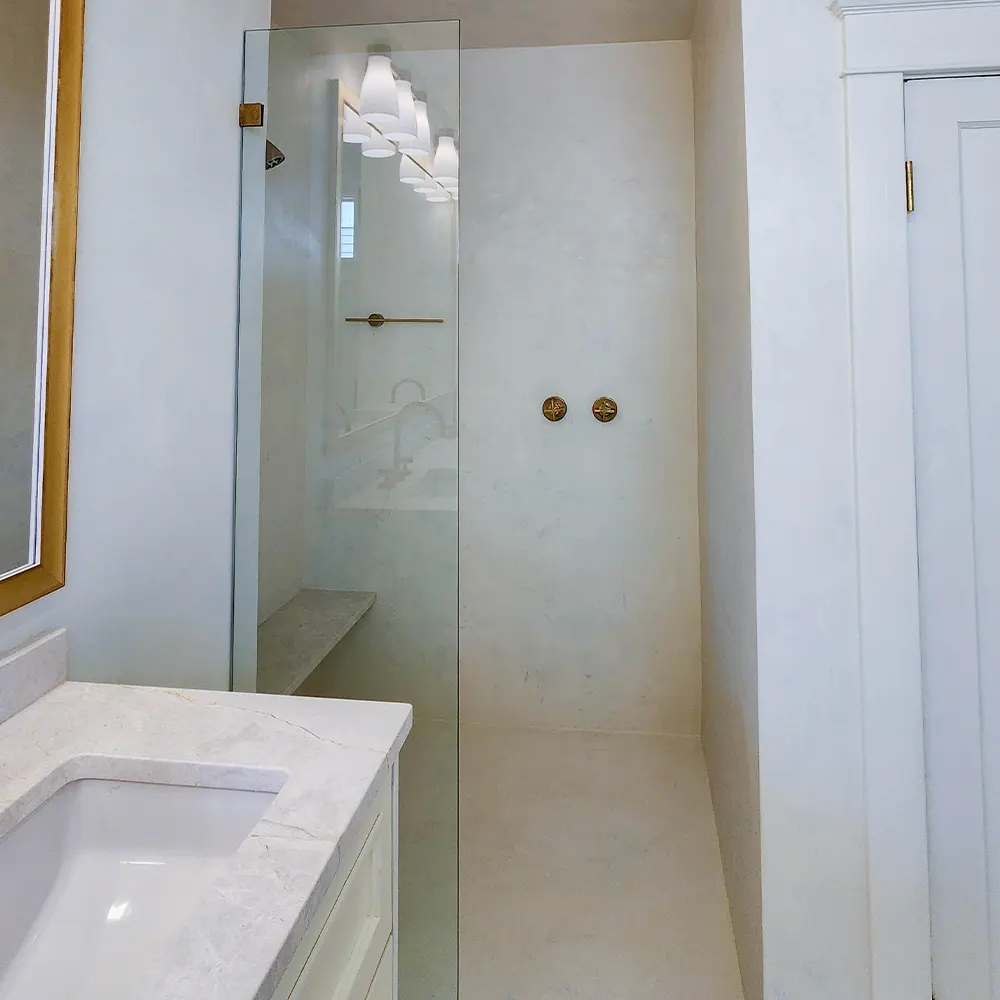
Guide
TOPCRET MICROCEMENT
Microcement Walls: The Complete US Guide
What microcement walls cost, how they go on, and where they make sense in an American home.
From converted lofts in old warehouse districts to brand-new builds, microcement walls have become a go-to finish for American homeowners, contractors, and interior designers looking to move past drywall and standard paint.
This versatile wall finish offers numerous advantages and opens up a world of creative possibilities for both residential and commercial spaces.
Whether you’re looking to achieve a sleek and modern look or add a touch of texture and elegance to your walls, microcement is a fantastic choice — and, being VOC-free, it fits naturally with the low-VOC interior finish standards many US states and green building codes now favor.
In this article, we will explore the advantages of microcement walls, learn how to apply microcement on walls , discover inspiring design ideas, and answer common questions about this remarkable wall finish.
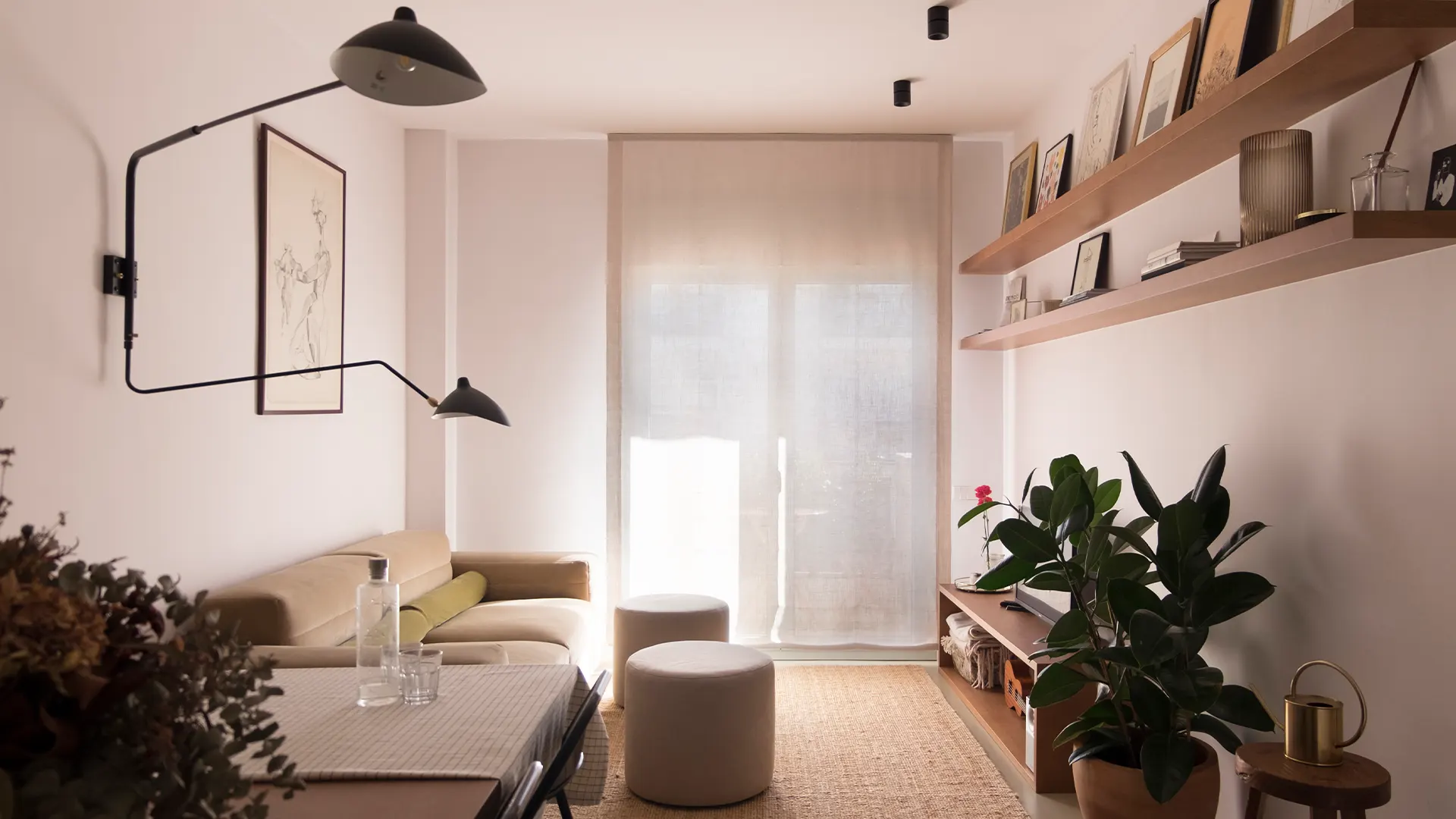
Project: CLARA
8 Reasons US Homeowners Choose Microcement Walls
1. Durability and longevity
Microcement cures into a continuous cement-based layer only a few millimeters thick, bonded to the wall rather than hung on it. That is what lets it take daily abuse without chipping at the edges the way tile and panel systems do. It handles moisture and heat, which is why it works behind a range, in a mudroom off the garage, and down hallways that see traffic all day.
2. Versatile Design Options
Microcement is mixed and troweled on site, so the finish is specified rather than picked off a shelf. That suits the way American homes are built: an open-plan great room can carry one continuous treatment from the entry through the kitchen wall without a single transition strip. The same system works on interior and exterior walls, so a color can follow the house from the living room out to a covered patio. With a full range of colors, textures and sheen levels, two walls in the same product can read completely differently.
3. Impermeability and Water Resistance
Sealed microcement forms a continuous barrier with no grout joints, which is where water gets behind a tiled wall in the first place. In a shower surround or behind a sink that means no failed grout line quietly feeding mold inside the wall cavity. It matters most in the rooms that stay humid — bathrooms, laundry rooms, and basements in climates where summer humidity runs high for months.
4. Cost-Effective Solution
Stone and marble slabs carry costs long before installation: freight, fabrication, and a substrate strong enough to hold the weight. Microcement is applied a few millimeters thick over what is already on the wall, so there is no demolition, no dumpster, and no structural reinforcement. The savings continue after the job closes — no grout to regrout, no sealed stone to have professionally honed every few years.
5. No Construction Required
One of the most significant advantages of microcement walls is that they require minimal building work. Unlike traditional wall coverings like tiles or wallpaper, microcement can be applied directly onto existing surfaces.
For instance, you can apply microcement on tiles, reducing the need for extensive building work and saving time and money.
6. Seamless and Smooth Finish
A microcement wall has no grout lines, no panel joints and no drywall seams to telegraph through the paint. The surface reads as one continuous plane, which is why it photographs so well in open-plan interiors where a wall runs uninterrupted for twenty or thirty feet. It also removes the part of the wall that fails first: grout is where mildew starts, where cleaners discolor, and where a bathroom or backsplash begins to look tired years before the tile does.
7. Easy Maintenance
Upkeep is a damp cloth and a pH-neutral cleaner. What you skip is the part homeowners actually dread: no grout to scrub with a toothbrush, no annual resealing appointment, no stone that needs professional honing when it dulls. Avoid bleach and abrasive powders on the sealer and a microcement wall will look the same in year five as it did the week it was finished.
8. Trendy Wall Covering
The material sits naturally in the direction American interiors have been moving for a decade: warm minimalism, fewer visual breaks, matte surfaces over glossy ones. A microcement wall gives art, millwork and furniture a quiet backdrop to sit against, which is the opposite of what a patterned tile does to a room.
Microcement Wall Finishes: Polished, Textured, Matte or Patterned
The finish is decided at the end of the job, not the beginning: the same microcement closes out four different ways depending on how the applicator works the final layer and which sealer goes over it.
These are the four your installer will walk you through:
Polished Finish
Burnished to a low sheen that bounces light instead of absorbing it. It is the finish to specify in a windowless powder room or a basement bar, where the wall has to help the room feel larger than it is.
Textured Finish
The trowel marks are left legible instead of worked flat, so the surface reads with movement and shadow. It is the closest microcement gets to quarried stone, and it is forgiving on long walls where a perfectly flat finish would show every imperfection in the framing behind it.
Matte Finish
The default, and the one most American projects end up choosing. Matte hides fingerprints and water spotting far better than a polished sheen, which is why it is the safe call for kitchen backsplashes, entryways and anywhere kids and dogs live.
Decorative Patterns
Because the surface is built by hand, banding, blocking or a custom motif can be worked into the material itself rather than applied on top of it. Nothing to peel, and nothing that dates the way a wallpaper pattern does.
Microcement Wall Textures: How Much Relief to Leave
Texture is a separate decision from finish. Finish is about sheen; texture is about how much relief the applicator leaves in the surface before sealing it. The same color specified smooth and specified rustic will read as two different materials on the wall.
6 Types of Microcement Wall Textures
- Smooth Finish: A smooth microcement wall texture offers a sleek, modern appearance. It’s ideal for minimalist designs and can mimic the look of polished concrete.
- Rustic Texture: If you prefer a more rustic or industrial look, microcement can be applied with textured patterns to replicate the charm of weathered materials like aged stone or distressed wood.
- Patterned Effects: Microcement allows for the creation of intricate patterns and designs on your walls. Geometric patterns, waves, or custom motifs can be achieved, adding a unique touch to your interior.
- Venetian Plaster: Microcement can be applied in a manner similar to Venetian plaster, creating a luxurious, marbled effect with a subtle texture that adds depth and sophistication to your walls. Explore the advantages in our detailed comparison of microcement vs venetian plaster, emphasizing microcement’s superior durability and adaptability.
- Tadelakt Finish: Inspired by Moroccan design, Tadelakt is a microcement wall texture that provides a waterproof, polished surface with a distinctively smooth texture, making it perfect for bathrooms and wet areas.
- Concrete Look: Microcement can replicate the appearance of raw concrete, giving your walls an industrial and contemporary aesthetic without the weight and structural demands of real concrete.
Bring a sample of your flooring, your cabinet finish or your countertop to the consultation. Texture is judged in the room’s own light against the materials it will sit next to, not from a photograph.
How Microcement Is Applied to a Wall: the 4 stages
The process of microcement application on walls involves a precise four-step process that should be followed diligently:
1 | Surface Preparation
The wall is cleaned, degreased and leveled. On drywall that means filling and sanding; on existing tile it means checking every piece is sound before anything goes over it.
2 | Primer Application
A bonding primer keyed to the substrate goes on next. Drywall, tile, plaster and concrete each take a different primer, which is why the installer surveys the wall before quoting.
3 | Microcement Application
Two to four coats go on by hand with a trowel, each one cured and sanded before the next. This is the stage that decides the texture, and it is why the applicator matters as much as the product.
4 | Sealing and Finishing
A sealer closes the surface against water and staining, and sets the final sheen — matte, satin or polished. Walls are typically ready for normal use within a few days.
TOPCRET does not sell microcement as a DIY kit in the United States. Every installation is carried out by an applicator trained and certified on these products, because the finish is created on site by hand and cannot be recovered from a bad application without starting over. Tell us where the project is and we will connect you with the certified installer covering your area.
Microcement Over Existing Tile: What It Takes
Another common question is whether microcement can be applied to walls with tiles. The answer is yes, you can microcement over tiles. Microcement can be applied directly over existing tiles, providing a convenient solution for renovating spaces without the need for tile removal. Here’s what you need to know:
Surface Preparation for Tiled Walls
Every tile has to be sound and bonded — any piece that sounds hollow when tapped gets pulled and patched first, because a loose tile under microcement will telegraph through and eventually crack it. Deep grout lines, common in older American bathrooms with 4x4 tile, are filled and leveled so they do not ghost through the finished surface. Grease matters more than dirt: a kitchen backsplash needs degreasing, not just washing.
Applying Microcement over Tiles
From there it is the standard sequence — primer keyed to glazed tile, base coat, layers, seal. The reason this is worth doing over demolition is what you avoid: no tearing out tile, no dust barrier through the house, no dumpster permit, and no discovering rotten substrate mid-project. A bathroom stays usable in days rather than weeks.
Microcement Wall Paint: Why It Is Not Actually Paint
What is Microcement Wall Paint?
Strictly speaking, there is no such product. “Microcement wall paint” is how people search for a concrete-look wall, but microcement is a troweled cement-based coating, not a pigmented liquid you roll on. The distinction is practical, not pedantic: paint sits on the surface and can be repainted over a weekend, while microcement becomes the surface and is installed by a certified applicator. What follows describes the real material.
Types of Microcement Wall Paint Finishes
Concrete Effect: The industrial look without the slab. Real poured concrete on a wall means weight, structural support and a pour schedule; microcement gets the same raw, mottled surface in a few millimeters over the drywall that is already there.
Stone Finish: Troweled to echo the depth and color movement of natural stone, with none of the slab seams. Useful where a fireplace surround or feature wall wants the material read without the fabrication cost.
Metallic Look: TOPCRET’s Real Metals line puts genuine metal particles in the finish, so the wall oxidizes and catches light the way metal does rather than imitating it with a pigment.
Custom Work: Because it is applied by hand, the finish can carry geometry, banding or a bespoke motif worked into the surface itself instead of applied on top of it.
Why Choose Microcement Wall Paint?
Homeowners often search for microcement wall paint, so it is worth being precise: microcement is not a paint. Paint is a film of color sitting on the surface. Microcement is a cement-based coating troweled on in layers and sealed, which is why it behaves nothing like a can of latex once it is on the wall.
One Product, Many Finishes: The same system can be finished to read as poured concrete, natural stone or brushed metal. The look is decided by the applicator’s technique and the sealer, not by buying a different product.
Built for Wear: It resists scratching and staining and is unaffected by water, which is why it holds up in mudrooms, entryways and behind a range.
Cleans With a Cloth: No grout to scrub, no sealed stone to have honed. Routine cleaning is a damp cloth and a pH-neutral cleaner.
VOC-Free: TOPCRET’s Baxab-Eco is free of volatile organic compounds — worth knowing before you specify a finish for a bedroom, a nursery, or any space that gets occupied the same week it is finished.
Applied, Not Rolled: This is where the paint comparison breaks down completely. Layers go on by hand with a trowel, each one curing before the next. It is skilled work, and it is why TOPCRET only supplies certified applicators.
Priced Like a Finish, Not a Coat of Paint: The upfront cost is higher than repainting. The comparison that matters is against retiling, because that is the job microcement actually replaces.
If you came here looking for a paint that resembles concrete, microcement is the more durable answer — but plan it as a surface installation, not a weekend repaint.
Which Wall Surfaces Microcement Can Go Over
Microcement is incredibly versatile and can be applied to a wide range of surfaces. However, it’s essential to keep in mind that it forms a very thin layer that mirrors the contours of the underlying surface. Moreover, any imperfections or ridges on the surface will be accentuated as the trowel passes over them. Therefore, it’s generally more straightforward when working with freshly boarded and plastered walls.
Another important consideration is that microcement doesn’t lend itself well to patching. To ensure a successful application, it’s crucial to plan ahead and ensure that no further modifications will be needed in the area once you commence the process. This may involve boarding all the way down to the floor if you intend to extend the microcement to that level and confirming the permanent placement of any fixtures or fittings.
In addition to freshly prepared surfaces, microcement can be applied to various other substrates, including painted surfaces, cement boards, cement render, aquaboards, and essentially any surface you can envision!
10 Suitable Wall Surfaces for Microcement
Microcement can be applied to a variety of wall surfaces, providing versatility and flexibility in design.
Here are some suitable wall surfaces for microcement:
- Concrete Walls: Microcement adheres well to concrete walls, making it a popular choice for both interior and exterior applications. Proper surface preparation, including cleaning and priming, is essential for successful application.
- Plasterboard Walls: Microcement can also be applied to plasterboard walls, commonly used in interior construction. Adequate surface preparation, priming, and suitability assessment are necessary for optimal results.
- Cement Board Walls: Cement board walls, often found in wet areas like bathrooms, can serve as a suitable substrate for microcement. Ensure that the cement board is stable, properly installed, and suitable for microcement application before proceeding.
- Tile Walls: Microcement can be applied over existing tile walls, offering an alternative to tile removal. Thorough cleaning and priming of the tile surface are crucial for proper adhesion.
- Plastered Brick Walls: Microcement is compatible with plastered brick walls, providing a sleek and modern finish. Ensure the plastered surface is even and in good condition before applying microcement.
- Drywall: Standard US drywall (gypsum board) walls are suitable for microcement application. Adequate preparation, including priming, ensures a smooth surface for microcement finishing.
- Rendered Walls: Rendered walls, especially those with a cement-based render, offer a suitable base for microcement. Proper curing and surface preparation are essential for successful application.
- Wooden Walls: Microcement can be applied to wooden walls, adding a unique texture and finish to the natural wood grain. Ensure the wood is stable, well-prepared, and appropriately primed.
- MDF Panels: Microcement is compatible with MDF (Medium-Density Fibreboard) panels, allowing for textured and visually appealing wall surfaces. Adequate sealing and priming of the MDF are necessary.
- Fibreglass Walls: In some cases, microcement can be applied to fibreglass walls, offering a durable and aesthetically pleasing finish.
4 Microcement Wall Ideas We See Most in US Projects
Four directions we see most often on US projects, from spec homes to commercial fit-outs:
1. Minimalist Elegance
One warm neutral, smooth finish, wall to ceiling with no chair rail or baseboard break. It is the treatment that makes a builder-grade room read as custom, and it works hardest in primary bathrooms and entryways where there is no furniture to carry the design.
2. Industrial Charm
The natural fit for converted lofts and warehouse conversions, where microcement sits alongside exposed brick, black steel and reclaimed timber without competing with any of them. In a new build it does the same job in reverse: it gives a room the weight that fresh drywall never has.
3. Geometric Patterns
Banding, blocking or a grid worked into the surface while it is still workable. Because the geometry lives in the material rather than on top of it, there is no seam to lift and nothing to peel — the reason it holds up in commercial spaces where wallpaper does not last.
4. Natural Inspiration
Stone and marble read beautifully and bring a bill for fabrication, freight and a wall built to carry the weight. Microcement gets the depth and movement in a few millimeters over existing drywall, and skips the annual resealing that natural stone needs to stay looking that way.
Microcement Wall Colors
Color is mixed into the material rather than applied over it, so the shade runs through the finish instead of sitting on top as a coat that can chip. Shades can also be blended to match a cabinet color, a countertop or an existing floor. Here are some popular choices:
- Neutrals: The volume seller, and the safe call for a wall you want to live with. Whites, grays and warm beiges hold their own against white oak, black window frames and brushed nickel — the palette most American renovations are already working in.
- Saturated Color: Deep blues, forest greens and oxblood turn a wall into the subject of the room. These read best on a single plane — a powder room, a fireplace wall, an accent behind a headboard — rather than wrapped through an open floor plan.
- Earth Tones: Terracotta, ochre and sand carry the warmth that a cool gray cannot. They sit naturally in Southwestern and desert-modern interiors, and they soften a room that gets hard northern light.
- Metallics: Copper, bronze and silver finishes from the Real Metals line. Used sparingly and on one surface, they do what a metallic paint cannot: patina over time instead of staying flat.
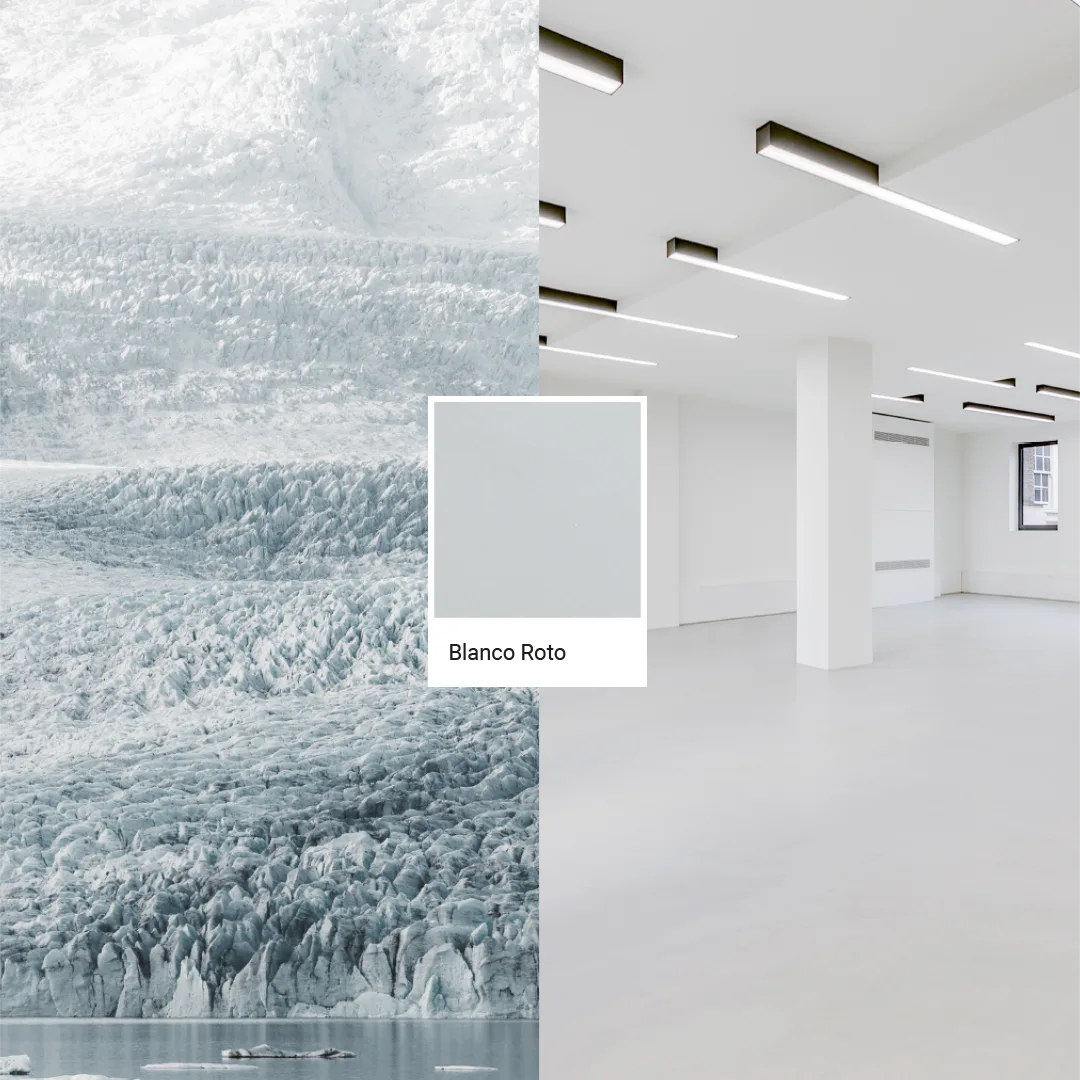
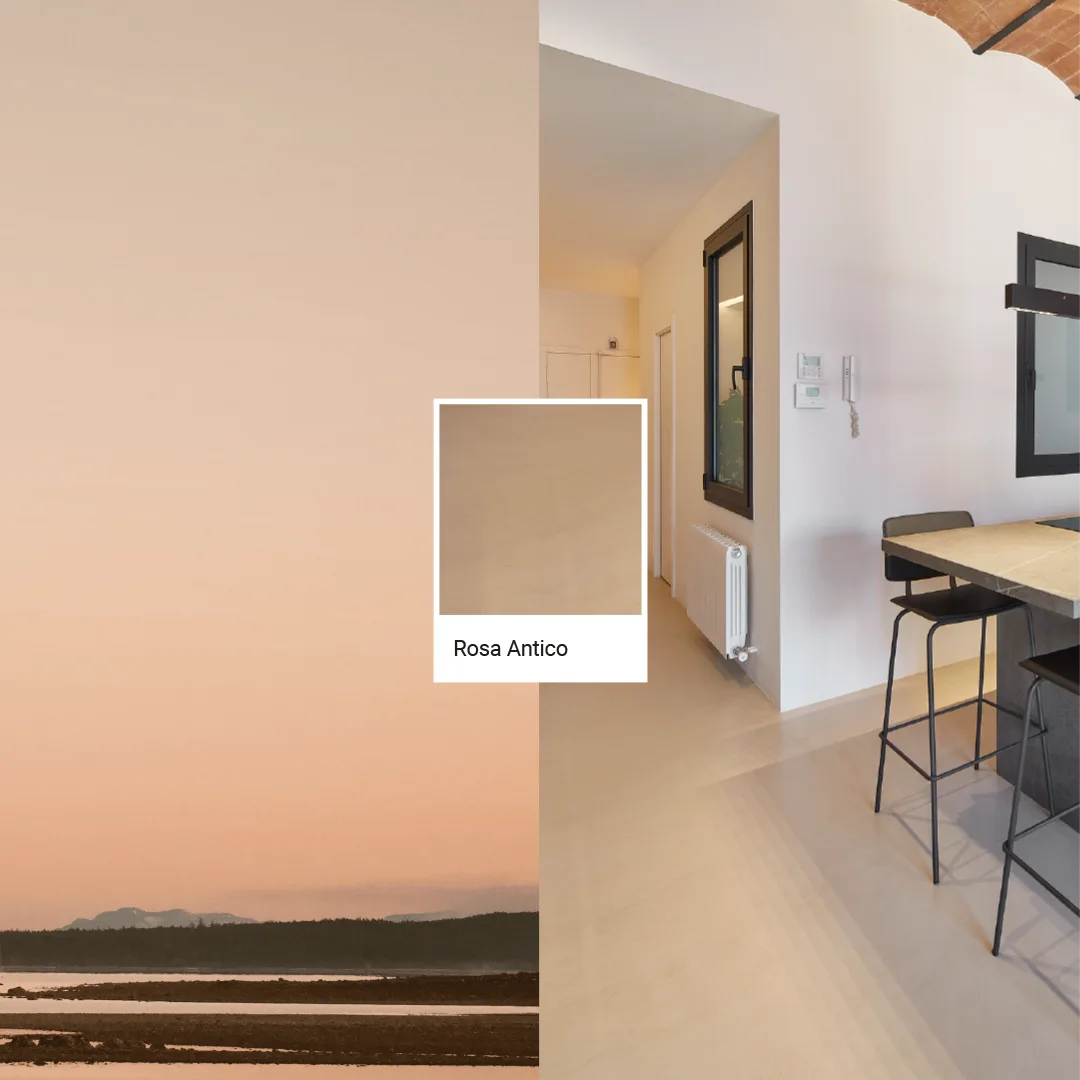
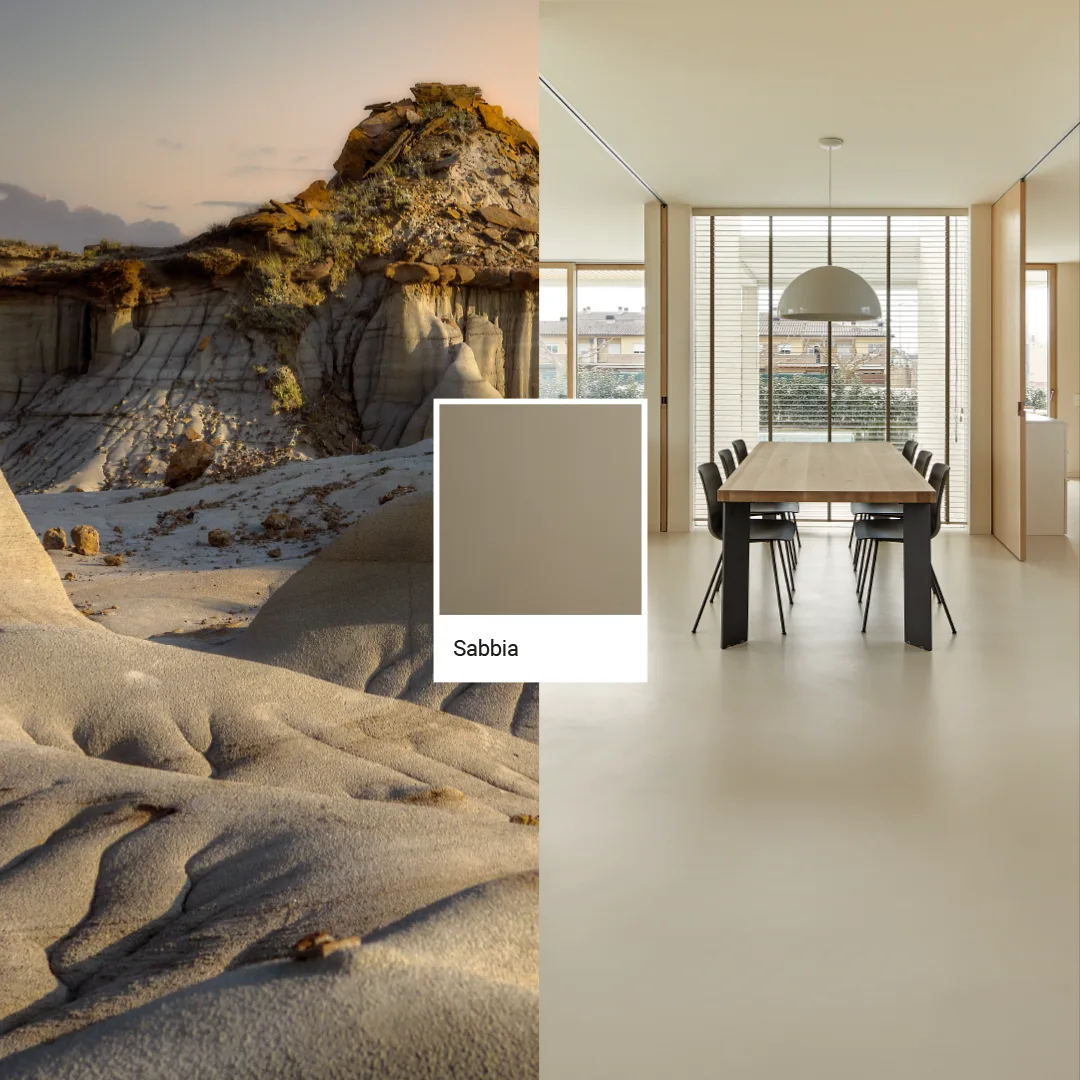


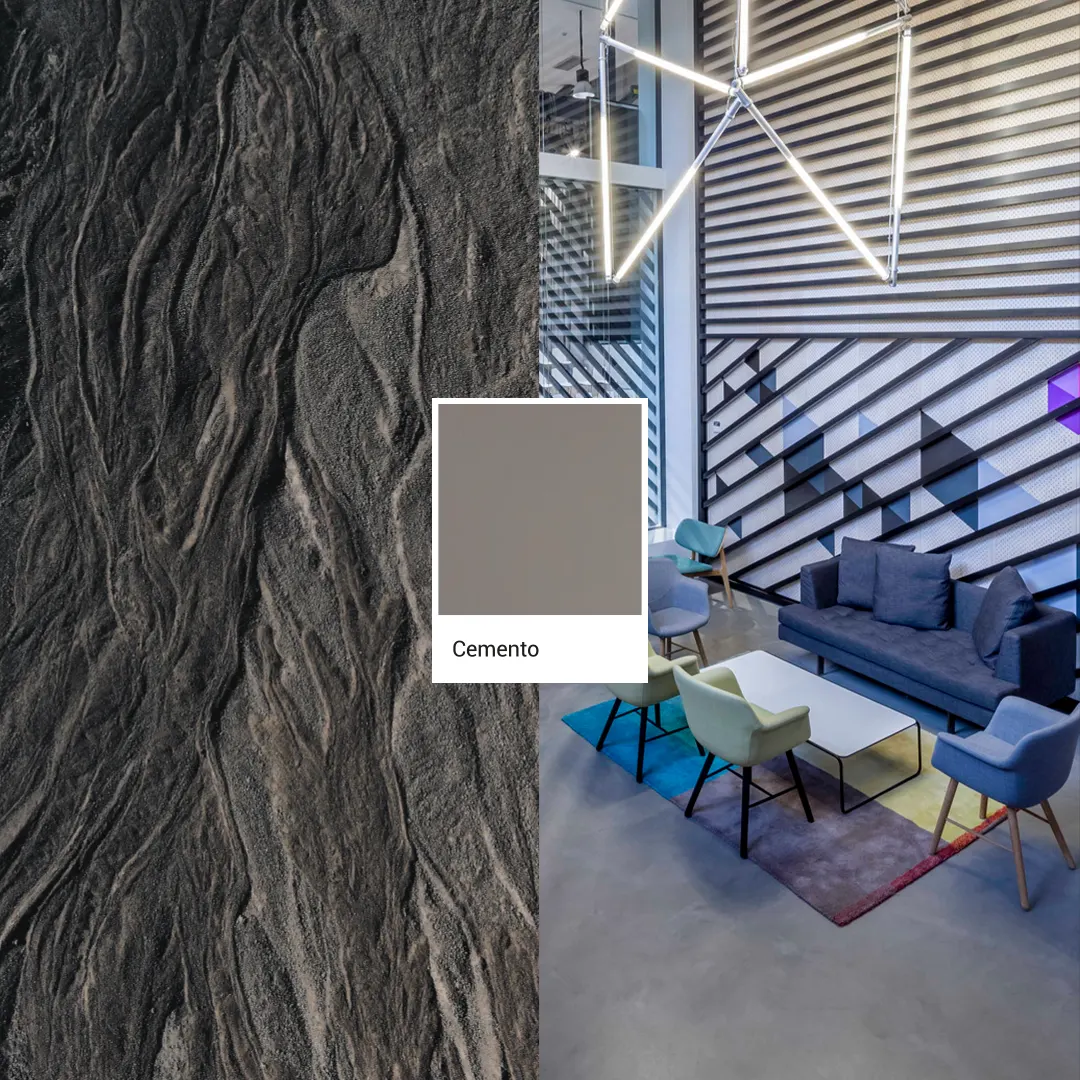

Blanco Roto

Lino

Rosa Antico

Cemento

Sabbia

Casa X
Microcement on Kitchen Walls and Backsplashes
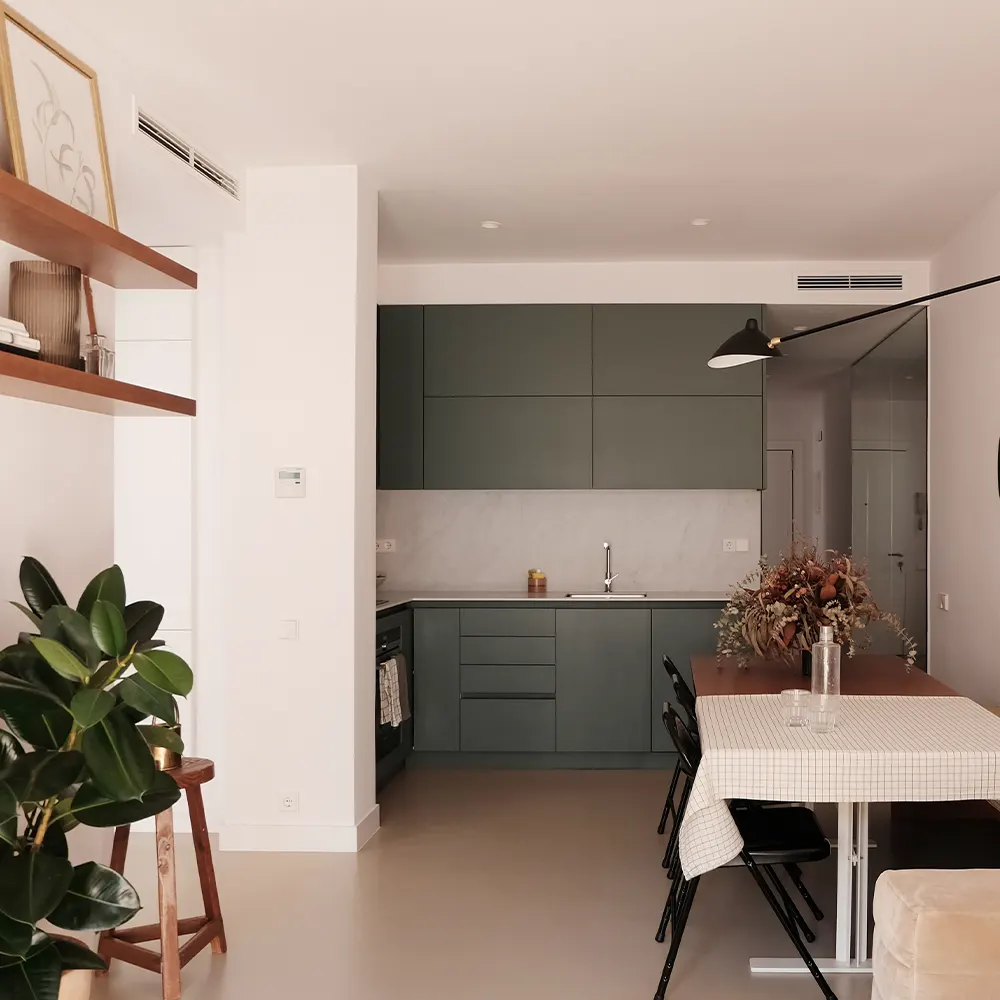
Microcement walls have become a popular choice in microcement kitchen design due to their durability and easy-to-clean surface. These walls provide a sleek and modern appearance that complements various kitchen styles, including minimalist and industrial designs.
In addition to kitchens, microcement is also an excellent choice for microcement bathroom projects, providing a seamless, waterproof finish that enhances the overall aesthetic.
Its versatility and low-maintenance nature make it a sought-after material in contemporary interior design. Discover the transformative power of microcement by browsing through our stunning kitchen and bathroom projects.
Don’t miss the opportunity to elevate your living spaces with this ultimate design trend!
How Much Do Microcement Walls Cost per Square Foot?
Microcement wall costs in the United States are quoted per square foot, and the range is wide for a reason: no two walls start from the same place. What you pay depends on how much surface you are covering, what is behind it today, and which finish you choose.
What Drives the Cost of a Microcement Wall:
Square Footage: Total area is the single biggest variable. Larger continuous runs cost more overall but usually less per square foot, since setup and curing time are spread across more surface.
What Is Already on the Wall: Microcement bonds directly to drywall, existing tile, plaster and concrete. Sound substrate keeps the job short. Water damage, loose sheetrock or failing tile has to be repaired first, and that repair is what moves a quote.
Product Grade: High-performance, VOC-free microcement carries a higher material cost than commodity alternatives. It is also the reason the wall still looks right in year ten, which is where the cheaper option stops being cheap.
Labor and Certification: Microcement is applied by hand in thin layers. Pricing reflects the applicator’s training and the complexity of the space — a flat feature wall and a multi-plane stairwell are not the same day’s work.
Compared with tile, stone or paneling, microcement changes the math in two places. There is no demolition, so you are not paying to tear out and haul away what is already there, and there is no grout to reseal, regrout or replace down the line. For homeowners weighing a wall finish they will live with for a decade, the installed cost matters less than the cost of owning it.
Every TOPCRET wall in the United States is installed by a certified applicator, never sold as a weekend project, so the only accurate quote is one built around your actual space. Send us the finish you have in mind, the total square footage, and the city and state where the project is — we will connect you with the certified installer covering your area for a firm estimate on materials and application.
Tell us about your walls and we will get you a real number, not a national average.
A Global Success Story Behind Every US Installation
Every microcement wall TOPCRET installs in the USA is backed by the same product and standards used on TOPCRET’s flagship projects worldwide — including Lacoste’s largest boutique in the UK, on the iconic 182 Regent Street in London.
This architectural marvel is not just a retail space but a vivid representation of Lacoste’s commitment to sustainable design and innovation.
The walls of this boutique tell a story of their own, adorned with TOPCRET’s Baxab-Eco® in the sophisticated ‘Acero’ shade. This pioneering VOC-free microcement, renowned for its sustainability and unmatched quality, was the choice of the iconic brand. The result? Walls that radiate luxury while championing environmental consciousness.
Dive deeper into this transformation and discover how TOPCRET played a pivotal role in this Lacoste Store UK success story — and reach out to see how the same craftsmanship applies to walls in your own US home or business.
With TOPCRET’s innovative microcement solutions, every wall becomes a canvas, echoing tales of sustainable artistry and design.

A microcement wall is only as good as the hand that applies it. In the US, TOPCRET supplies certified applicators only — never as a DIY kit.
Conclusion
A microcement wall solves a specific problem well: covering a surface that is structurally fine but visually dated, without opening up the wall. For American renovations that means going over existing tile, drywall or plaster in a few millimeters instead of demolishing it — no permits for structural work, no dumpster in the driveway, and a room that is back in use in days rather than weeks. It holds up in the places that punish a finish hardest: showers, backsplashes, entryways, and commercial spaces that see traffic all day. The part worth weighing before you commit is that this is a hand-applied system. The material is only half of the result; the certified applicator is the other half.
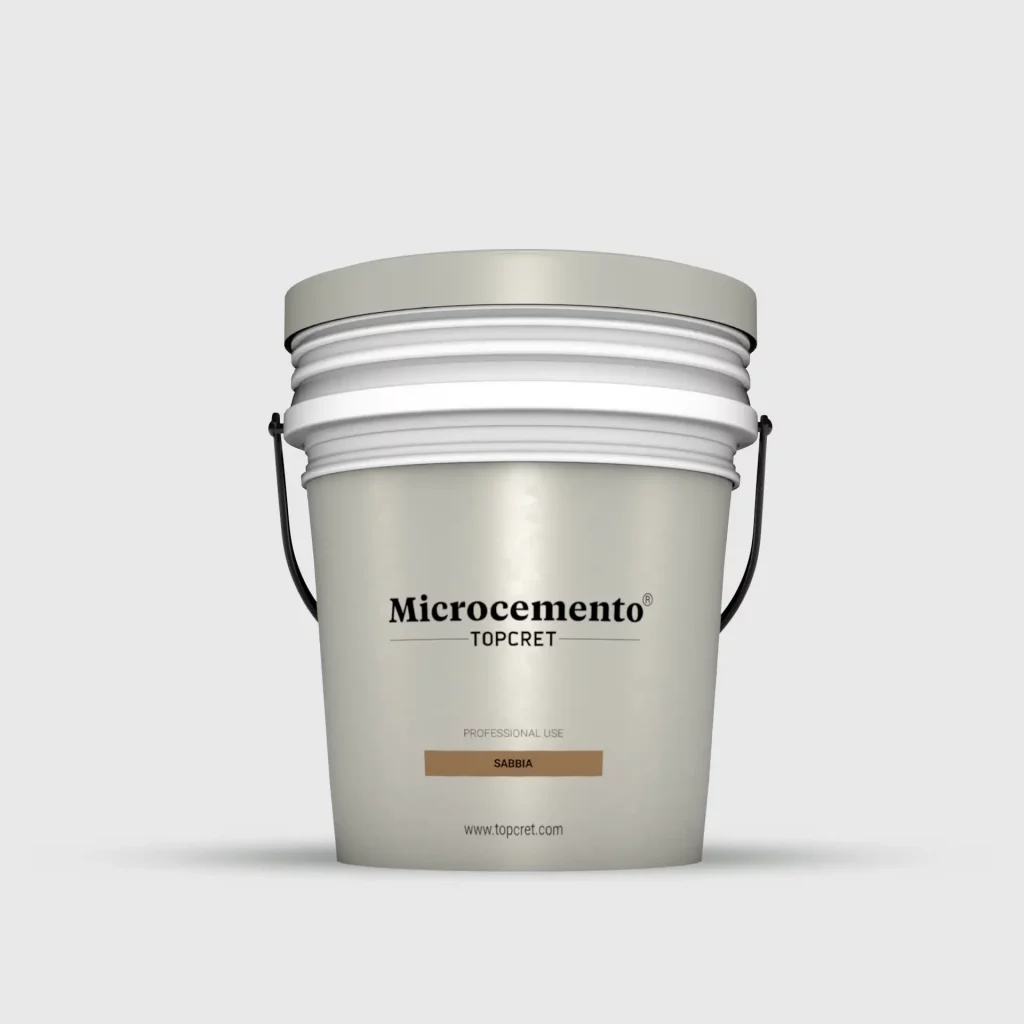
Buy The USA’s Premier Microcement Walls Kit

What US Customers Say About TOPCRET Microcement Walls
15 Reviews 4,5 Rating
Jack
★★★★★
Professional Team Read More
Topcret team was highly professional, keeping us informed and staying within budget.
Lucy
★★★★★
Wall Transformation Read More
Our microcement wall project was exceptional. The team was punctual, and the microcement quality was outstanding. They quickly resolved any post-installation issues.
Michael
★★★★★
Modern Upgrade Read More
Our walls got a modern upgrade with microcement. Great product, good customer service.
Previous
Next
FAQs
TOPCRET’s responses.
What are the stages of a microcement wall installation?
Four stages: prep, primer, two to four troweled layers, and a sealer. The wall has to be clean, dry and structurally sound first — on drywall that means filling and sanding, on tile it means confirming nothing is loose. Most residential walls are back in normal use within a few days of the sealer going on.
Can microcement go over an existing wall without demolition?
Microcement goes on over what is already there, so a wall is covered rather than replaced. After prep and a primer matched to the substrate, the applicator builds the surface in thin layers with a trowel and closes it with a sealer. No demolition, no dumpster, and no exposed framing at any point.
Do microcement walls crack over time?
Correctly applied over a stable substrate, no. Cracking traces back to what is underneath, not to the microcement: a wall that moves, a loose tile left in place, or layers applied too thick or too fast. This is the main reason TOPCRET only works through certified applicators in the US — the prep decides the outcome, and it is the stage most likely to be rushed.
How long does microcement last?
Decades, when it is applied properly and the sealer is maintained. The variables that actually shorten that are a rushed application, a substrate that was never stable, and harsh cleaners attacking the sealer. None of the three are properties of the material.
Is microcement washable?
Yes. A damp cloth and a pH-neutral cleaner is the whole routine, and with no grout lines there is nowhere for grime to lodge. Skip bleach, vinegar and abrasive powders — they attack the sealer rather than the microcement, and the sealer is what keeps water out.
Can I install microcement myself in the US?
Not with TOPCRET products in the United States — they are supplied only to certified applicators, not sold as a DIY kit. The finish is created by hand as the layers are worked, so there is no way to correct a poor application other than removing it and starting again. Whoever you hire, ask to see walls they have finished themselves.
Is Microcement easy to maintain?
Wipe it down with a damp cloth and a pH-neutral cleaner. There is no grout to scrub and no annual reseal on the calendar; the sealer is reapplied only after years of heavy use, and mainly on wet-area and high-traffic walls rather than a bedroom or hallway.
Microcement vs micro concrete: which one belongs on a wall?
Thickness and flexibility. Microcement goes on a few millimeters thick and stays flexible enough to follow a wall, which is what lets it cover drywall or existing tile without cracking. Micro concrete is applied thicker and cures more rigid, so it suits horizontal surfaces that carry load. For walls, microcement is the right material of the two.
GUIDE
Guide
Let’s
get in
touch
get in
touch
Let's get in touch
"*" indicates required fields
By providing your phone number, you agree to receive SMS updates related to your Topcret inquiry.