
Ecological Concrete: Sustainable, Durable & Modern Construction
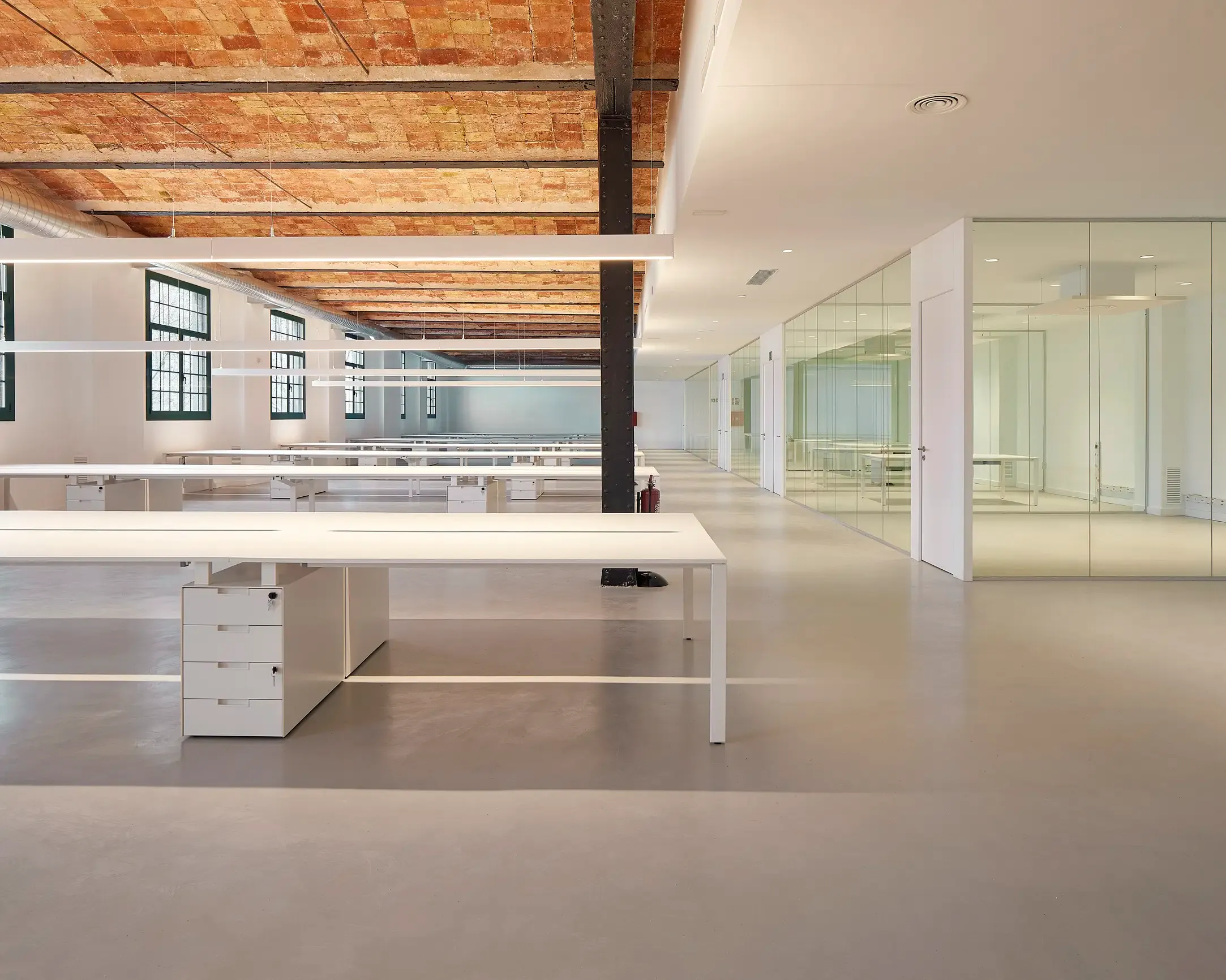
Concrete is everywhere — beneath our feet, shaping our cities, supporting our homes. But as the world shifts towards sustainability, one uncomfortable truth is impossible to ignore: traditional concrete comes at a significant environmental cost. That’s where ecological concrete enters the conversation. Designed to reduce environmental impact without compromising performance or aesthetics, ecological concrete represents a smarter, more responsible way to build. But what exactly is it, and why is it becoming a must-have material for architects, designers, and homeowners alike? Let’s explore.
What Is Ecological Concrete? A Clear Definition for Modern Construction
Ecological concrete, sometimes called sustainable or eco-friendly concrete, refers to concrete systems designed to minimize environmental impact across their lifecycle — from raw material extraction and production to installation, use, and long-term durability. It’s not about reinventing concrete entirely; it’s about making it better, cleaner, and more efficient.
How Ecological Concrete Differs from Traditional Concrete
Traditional concrete relies heavily on Portland cement, a material responsible for a huge proportion of global CO₂ emissions. Ecological concrete reduces this dependency by optimizing formulations, incorporating alternative binders, recycled components, and advanced application techniques that use less material for the same performance.
Why Concrete’s Environmental Impact Matters More Than Ever
The construction industry accounts for a significant share of global emissions. With urbanization accelerating, continuing to build the same way simply isn’t sustainable. Choosing ecological concrete is no longer a niche decision — it’s part of a broader responsibility to design buildings that respect both people and the planet.
The Environmental Problems of Conventional Concrete Production
Before understanding the benefits, it’s important to recognize the challenges ecological concrete is addressing.
CO₂ Emissions and Cement Manufacturing Explained
Cement production alone generates vast quantities of carbon dioxide due to high-temperature kilns and chemical reactions. Every metric ton of cement produced releases almost a metric ton of CO₂ — a statistic that’s hard to ignore.
Resource Depletion: Sand, Water, and Aggregates
Beyond emissions, traditional concrete consumes enormous amounts of natural sand and fresh water. These resources are finite, and their extraction often damages ecosystems. Ecological concrete aims to use fewer virgin materials while maximizing performance.
How Ecological Concrete Reduces Environmental Impact
Ecological concrete doesn’t rely on a single innovation — it’s a combination of smarter choices working together.
Lower Carbon Footprint Through Smarter Materials
By reducing cement content and improving mix efficiency, ecological concrete systems significantly lower embodied carbon. Thin-layer applications, like those developed by Topcret, achieve high performance using less material overall, which means fewer emissions from the outset.
Is Ecological Concrete as Strong and Durable as Traditional Concrete?
One of the biggest misconceptions is that sustainability means compromise. In reality, ecological concrete often performs just as well — if not better.
Performance, Strength, and Longevity Compared
Advanced formulations ensure excellent compressive strength, abrasion resistance, and long-term durability. Ecological concrete is engineered for modern use, not just structural adequacy.
Maintenance Benefits Over the Long Term
Seamless surfaces reduce cracks, joints, and weak points. Less maintenance means fewer repairs, lower material consumption over time, and a longer service life — sustainability in action.
Applications of Ecological Concrete in Architecture and Design
Sustainable concrete isn’t limited to structural elements — it’s increasingly used as a design feature.
Residential Spaces: Homes, Floors, and Outdoor Areas
From seamless flooring to terraces and bathrooms, ecological concrete creates continuous surfaces that are durable, hygienic, and visually striking
Commercial and Public Projects Using Sustainable Concrete
Shops, offices, hotels, and public buildings benefit from ecological concrete’s resilience and low maintenance — ideal for high-traffic environments.
Ecological Concrete and Interior Design Trends
Sustainability and aesthetics no longer compete — they complement each other.
Minimalist, Industrial, and Biophilic Design Synergies
Ecological concrete pairs beautifully with natural materials like wood and stone, supporting calming, biophilic interiors while maintaining a modern edge.
Why Seamless Surfaces Support Sustainable Living
Fewer joints mean better hygiene, easier cleaning, and reduced chemical use — small details that add up to a healthier living environment.
Is Ecological Concrete More Expensive? Cost vs Value Explained
Upfront cost is only part of the story.
Initial Costs vs Lifetime Savings
While some ecological concrete systems may have slightly higher initial costs, they often deliver lower lifetime costs through durability, reduced maintenance, and energy efficiency.
Sustainability Certifications and Property Value
Eco-conscious materials increasingly influence property value and compliance with green building standards — making ecological concrete a future-proof choice.
How Topcret Contributes to Ecological Concrete Solutions
Topcret is committed to innovation that balances performance, aesthetics, and sustainability.
Innovative Formulations and Low-Impact Systems
Topcret’s advanced microcement and continuous surface systems use minimal material thickness while delivering exceptional durability — reducing environmental impact without sacrificing design freedom.
Why Choosing the Right Supplier Matters
True ecological concrete isn’t just about ingredients — it’s about expertise, formulation control, and responsible manufacturing.
Conclusion: Why Ecological Concrete Is No Longer Optional
Ecological concrete represents a shift in mindset. It proves that we can build beautifully, perform reliably, and still reduce our environmental footprint. As regulations tighten and expectations rise, sustainable materials like ecological concrete are no longer a trend — they’re the standard. Choosing the right system today means building responsibly for decades to come.
Request a quote
Tell us about your project
A few quick questions and we will get back to you with a tailored proposal.
Email or call us
The quote form needs JavaScript. You can also contact us directly:
A rough figure is fine.
Optional
Where are you based?
Your handle or a link to the profile.
Your contact details
Last step: we will email or call you with our answer.
Please wait a moment…
Preview: the HubSpot form is embedded here. No data is sent in this demo.
We could not load the last step
Email or call us and we will get back to you all the same:
Thank you for your interest
We have received your enquiry. A Topcret advisor will be in touch with you very soon.
Preview complete
This is a demo: no data was sent and nobody will receive this enquiry.
Discover our Colours
Our colourist experts developed more than 30 base colours to fulfill a wide range of applications. But we don’t want to limit your imagination, so we created Paint To Sample, a Topcret® innovation powered by your imagination, to offer high-end, enhanced personalisation for customers.
Our ISO certification process assures zero colour deviations, so what our client dreamed is what they will see installed in their project.
- Over 30 base colours available
- Colour on demand
- Finishes in several textures
In today’s world our connection with nature holds immense importance, and it is this bond that inspires our colours.
Application process
Surface preparation
Clean, dry and free of dust or grease. Any existing damage is repaired to guarantee a smooth surface.
Primer application
It creates an ideal bonding surface and can be tinted to match the colour of the microcement.
Mixing
It is mixed with water and the chosen pigments until the colour and texture are right.
First coat
Applied in a thin layer, left to dry before the second application.
Second coat
Slightly thicker than the first, this is the one that creates the texture and the finish.
Sealing and finishing
A sealer protects the surface from stains and damage; a finishing wax or oil sets the final look.
Success Stories
Real projects, real results.
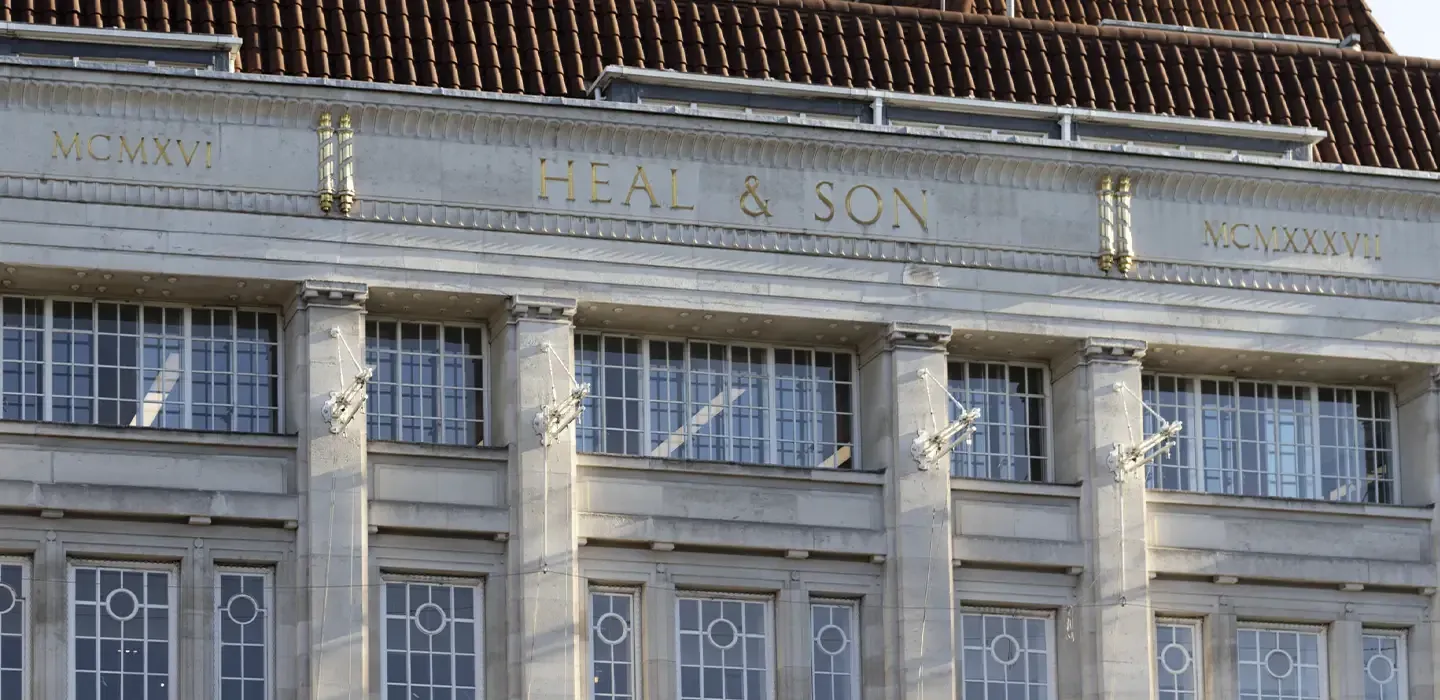
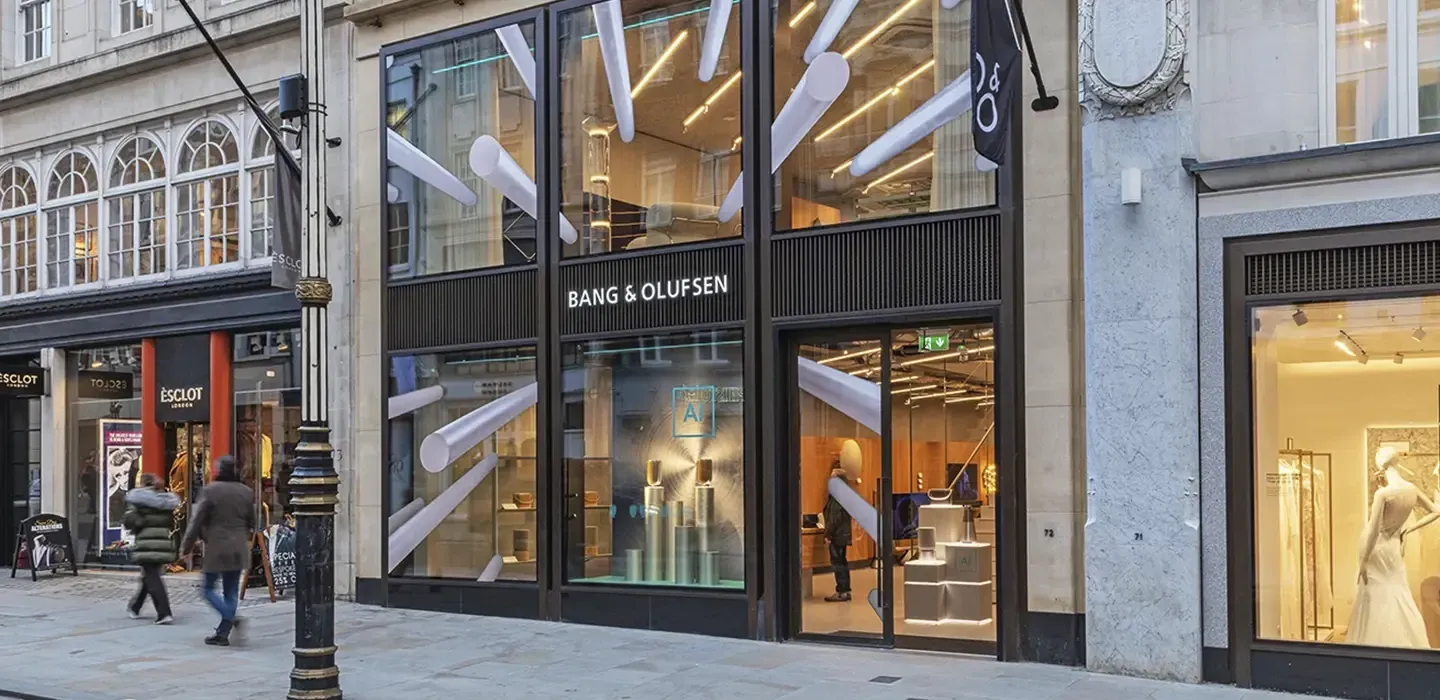
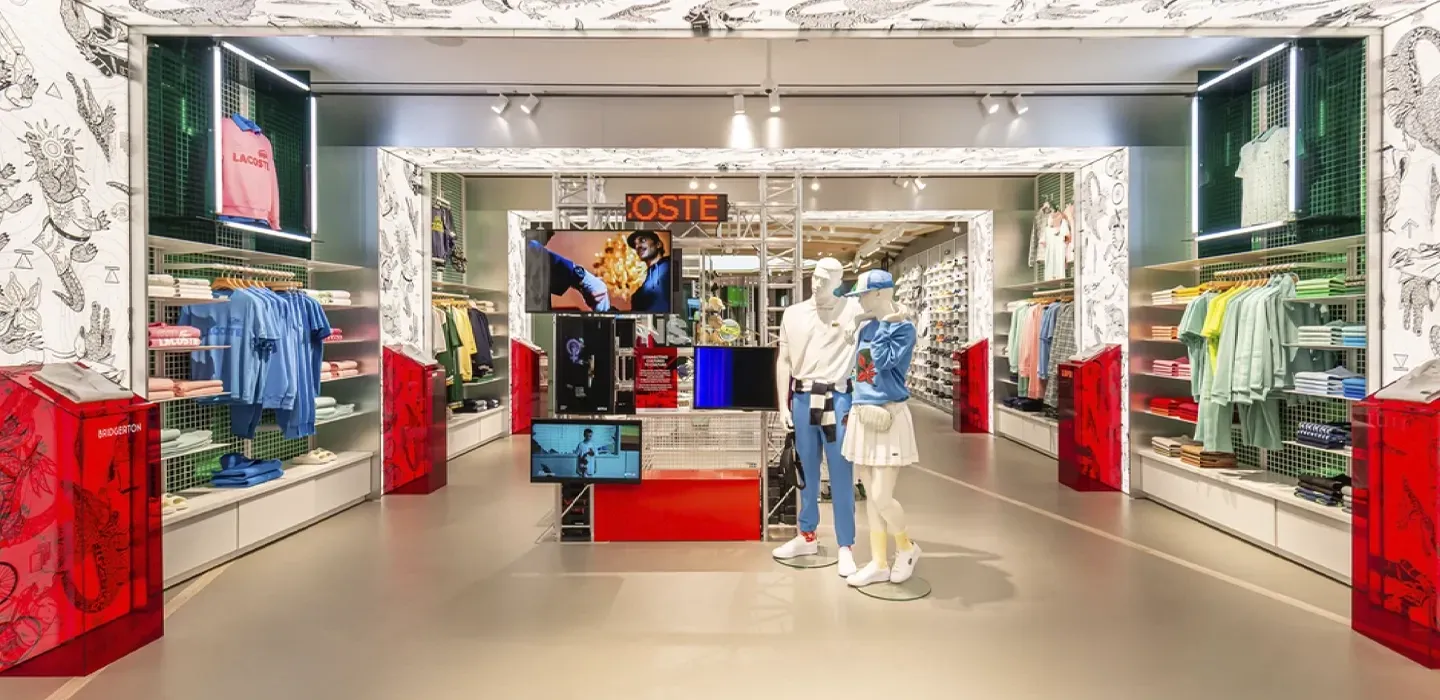
What our clients say
- Topcret helped me doing a repair on my existing floor, and went the distance to get a good result. I would definitely use them againGillian D.★★★★★ (opens in a new tab)
- Jack and the team at Topcret were top-draw. We're beyond pleased with the finished look, but also very impressed with the experience. From our 1st meeting to the aftercare, Topcret were nothing but professional, knowledgable, friendly and flexible. Highly recommend.Sam S.★★★★★ (opens in a new tab)
- Topcret and Juan in particular went above and beyond. Juan worked long days to finish the project as soon as possible, and used his technical knowledge and expertise to problem-solve some of the issues we had with previous tradesmen's mistakes. So happy Topcret could match the paint colour we wanted and that the result is more of an even finish than the typical microcement mix of shades (which they can do as well - we just didn't want that look). Delighted with the result and would definitely use them again. Thank you so much!Isabel D.★★★★★ (opens in a new tab)
- We had our kitchen and bathrooms done in our house in Sydney. The team was very friendly and efficient and the end result was exactly what we wanted. Can’t recommend them enough!Carolina R.★★★★★ (opens in a new tab)
- Topcret’s attention to detail and overall quality of their work is exceptional. I am pleased with the results and would highly recommend Topcret to anyone in need of their services.Rodrigo T.★★★★★ (opens in a new tab)
- Jack has been incredibly helpful in answering all my inquiries since I’ve first visited the showroom. He also made sure that all the technical queries that were put forth from the architects were addressed and proposed solutions to better fit the material. I couldn't be happier, and would recommend 100%.Liza M.★★★★★ (opens in a new tab)
- I recently hired Topcret to finish the renovation on my kitchen and couldn’t be happier with the results. The transformation they've made is just incredible. Provided high quality work with great attention to detail. I would recommend Topcret to anyone looking to make their spaces more attractive!Francesco N.★★★★★ (opens in a new tab)
- Love the product and great customer service. I decided to go for a warm terracotta and Top Cret were very happy to accommodate to develop my own colour.Jacqui P.★★★★★ (opens in a new tab)
- Really happy with the quality of work Topcret have provided for my home. They did 2 Bathrooms, floors and walls which were finished in just 3 days. Jack was extremely helpful throughout the process, answering the many questions I had for him. Great product/ service, I will be recommending to everyone.Tommy J.★★★★★ (opens in a new tab)