
Topcret – Microcement
Microcement in Australia: uses, cost per m² and certified installers
From a Sydney bathroom to an alfresco area on the Gold Coast, here is how microcement is used in Australian homes and businesses, what an installed m² costs, which Topcret system suits each surface and who can install it near you.
What is microcement?
Think of microcement as a skin for the surfaces you already have. It is a cement-based mix spread by trowel in layers that together come to roughly 2 mm, so a tiled ensuite, a concrete slab or a rendered wall can be resurfaced without a jackhammer. Once sealed, the result reads as one piece: no grout, no joins between rooms, and the same finish running from the floor to the benchtop if you want it.
Microcement composition and features
Four ingredients do the work. Cement gives the coating its body, fine aggregate controls whether the surface ends up silky or slightly grainy, polymers make it grip the substrate and tolerate small movements, and pigments colour the whole layer rather than just its face. Applicators mix them on site into a workable paste and lay it on floors, walls, joinery and benchtops. In practice that gives you:
- Durability: a hard-wearing surface for hallways, kitchens and living areas, provided the base is sound and the finish is sealed.
- Water resistance: sealed microcement can be used in bathrooms, laundries and showers with a suitable system. It does not replace the waterproofing required underneath in wet areas.
- Tolerance to movement: the polymers let it absorb minor movement better than a rigid screed, although a cracking slab can still telegraph a hairline crack through it.
- Thin build-up: check the system thickness, door clearances and skirting details before starting.
- Colour through the layer: because the pigment is mixed in, a chip shows the same colour underneath, and shades can be matched closely.
How much does microcement cost in Australia?
The reference installed price is A$160–A$290 per m². The final quote depends on the substrate, area, corners and edges, system and finish. Check which preparation, protection and labour are included and how tax is treated. Compare the full installation with material-only kits; further guidance is in how much microcement costs in Australia.
Hardware store kit or certified installer?
When comparing a hardware-store kit with an installed system, check which primer, reinforcement, coats and sealer are included. Floors, showers and benchtops need a solution matched to their use. The preparation and sealing matter as much as the decorative finish; see microcement problems for common issues.
Choosing a benchtop finish
For an Australian kitchen renovation, compare the complete benchtop system: the base, surface finish, sealer, preparation and ongoing care. A microcement finish can continue from the benchtop to the splashback. Check the substrate and the product’s suitability before retaining an existing base. See microcement benchtops for design and care considerations.
Find a certified installer near you
Explore Topcret service information for these Australian cities. Each page covers the local service area and how to request a quote.
Somewhere else? Send us your postcode and we will put you in touch with the nearest applicator.
Where can microcement be applied?
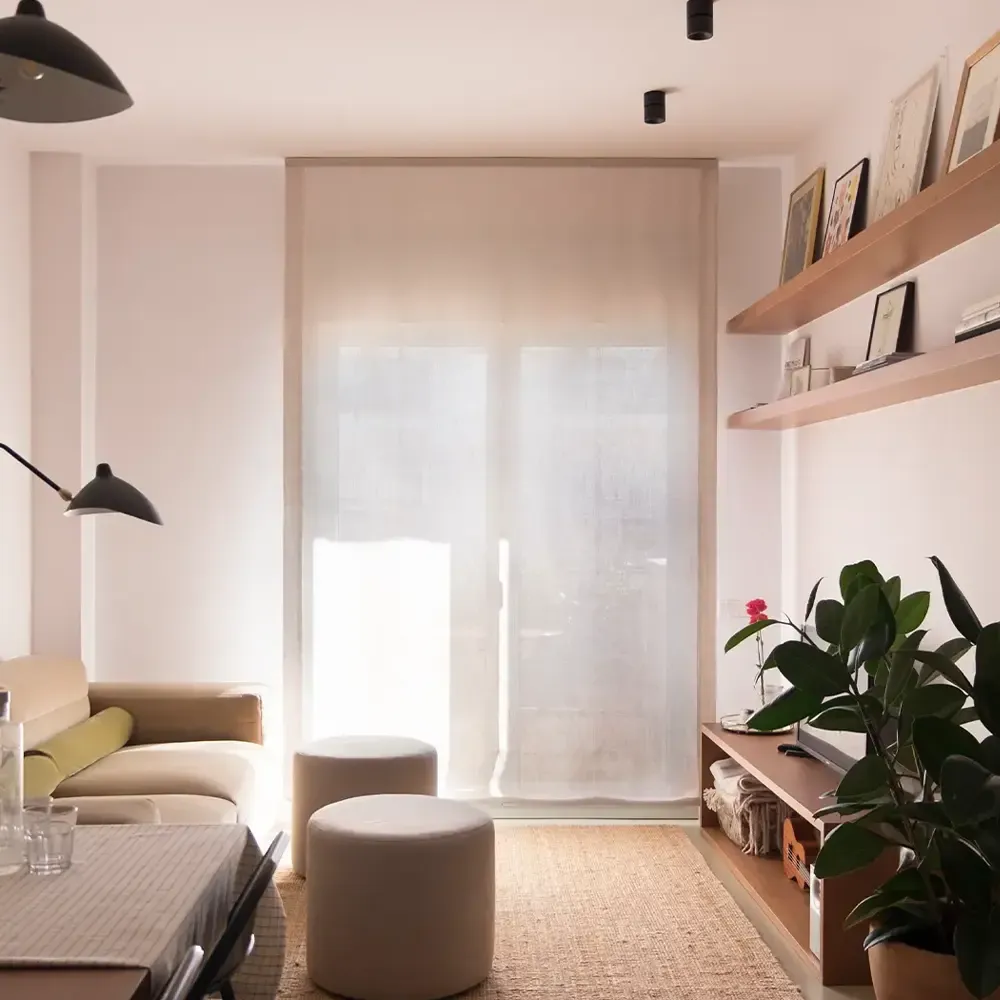
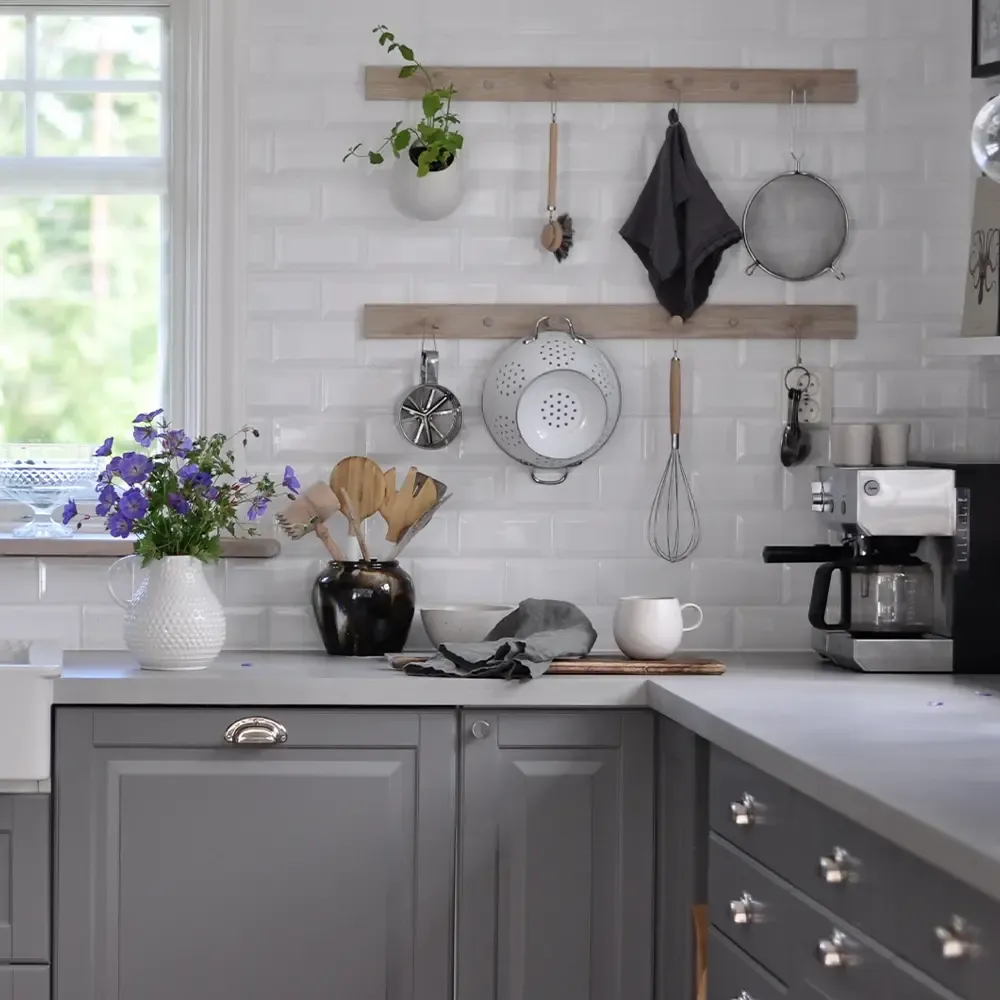
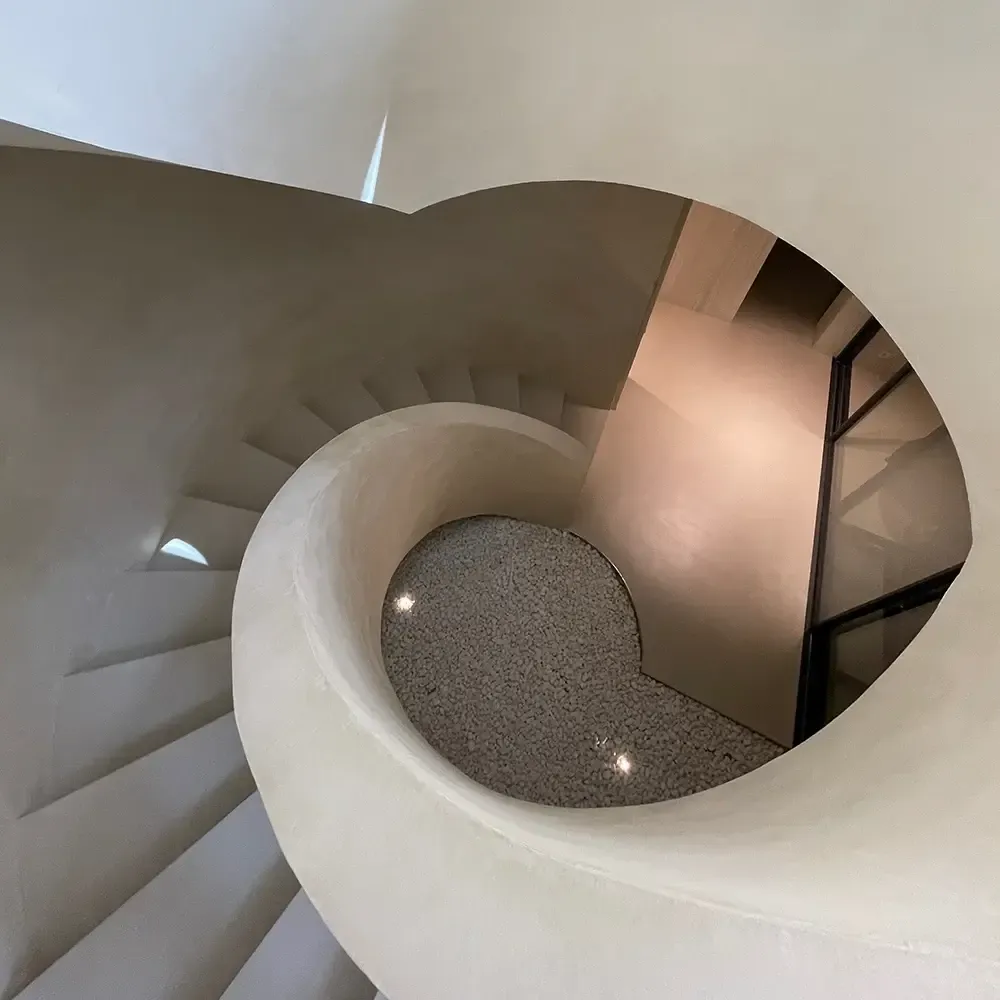
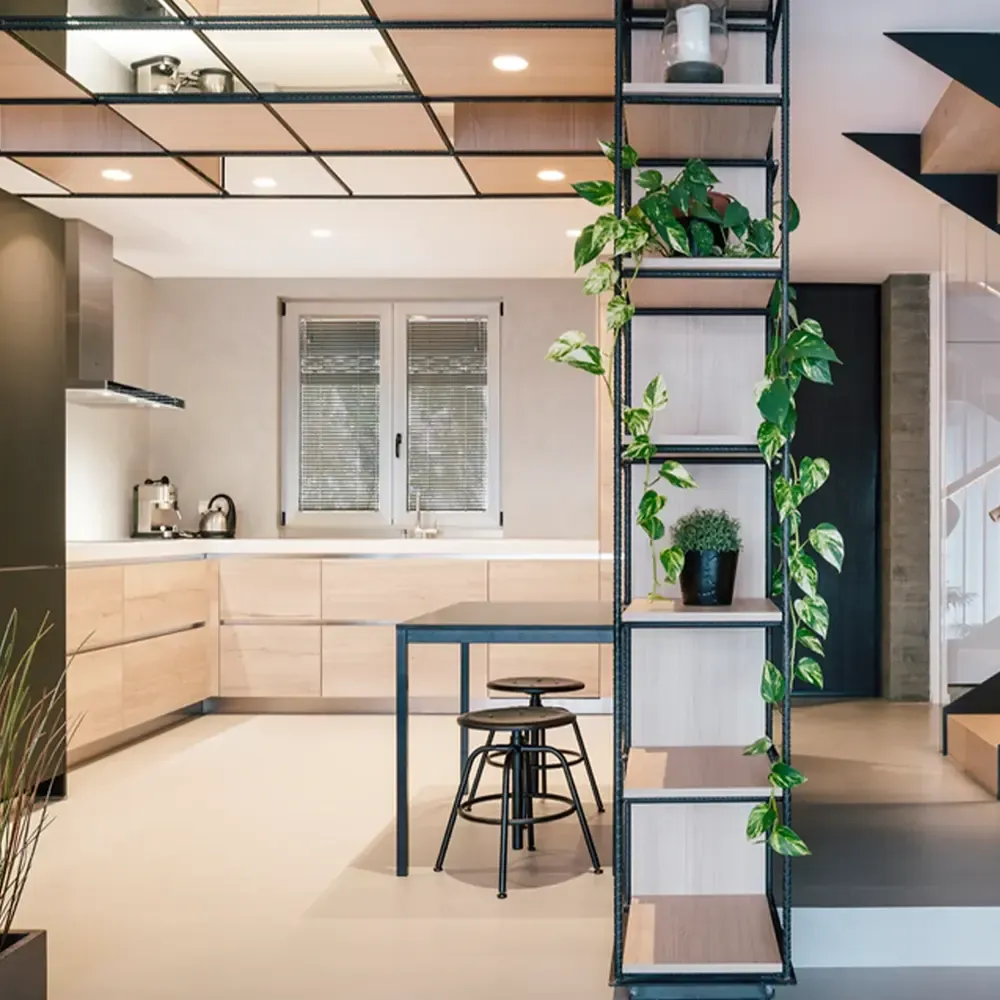
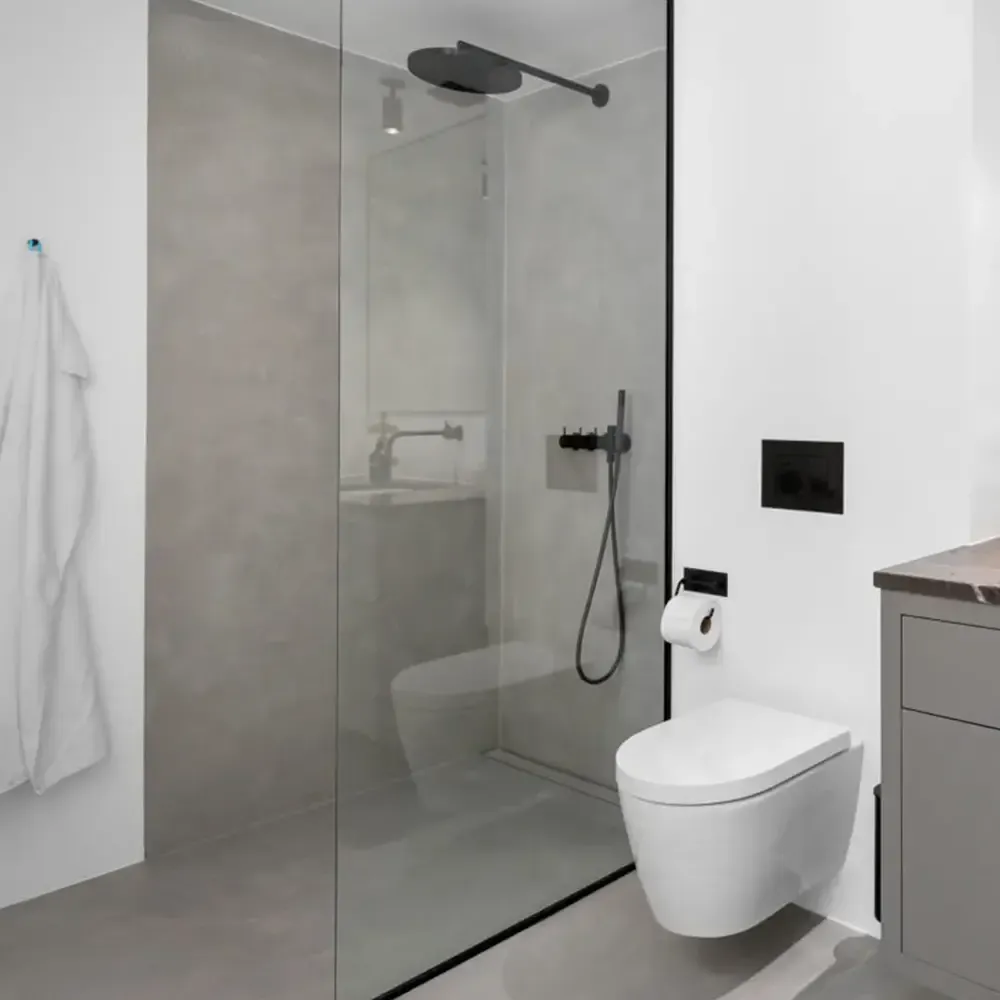

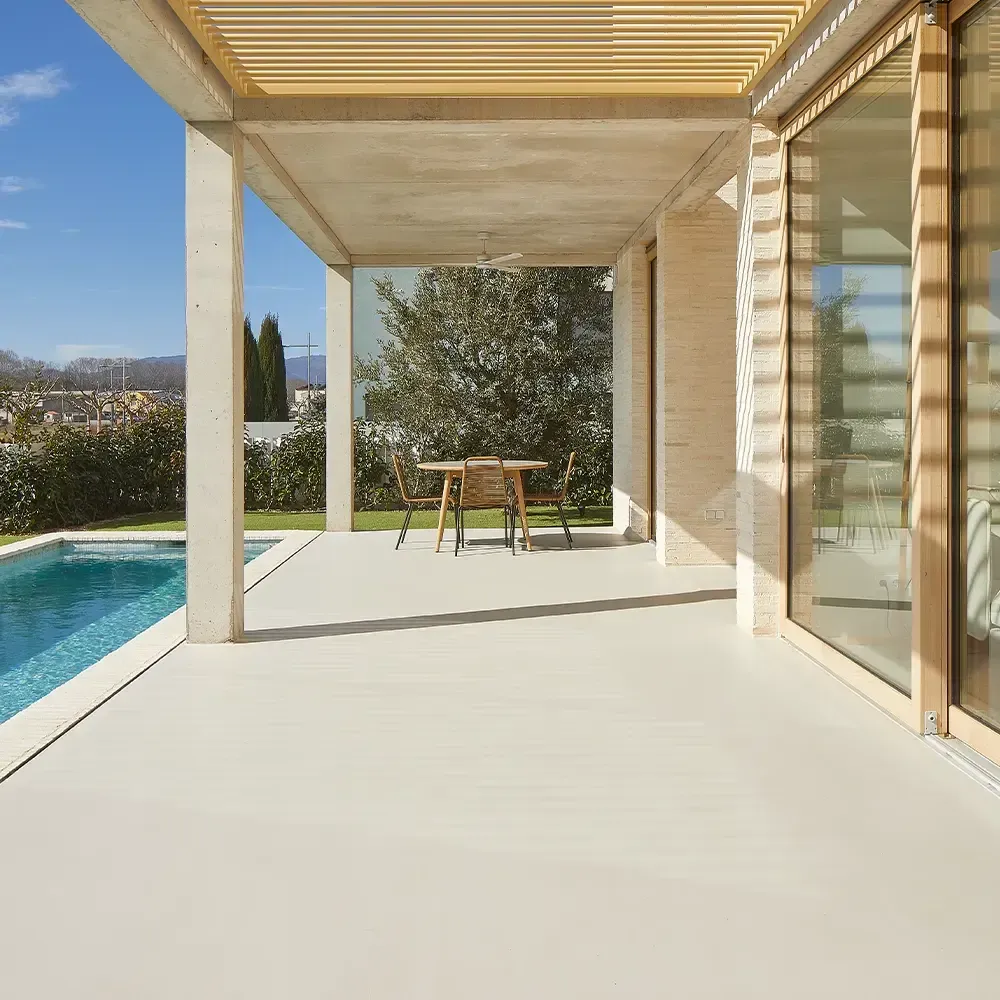
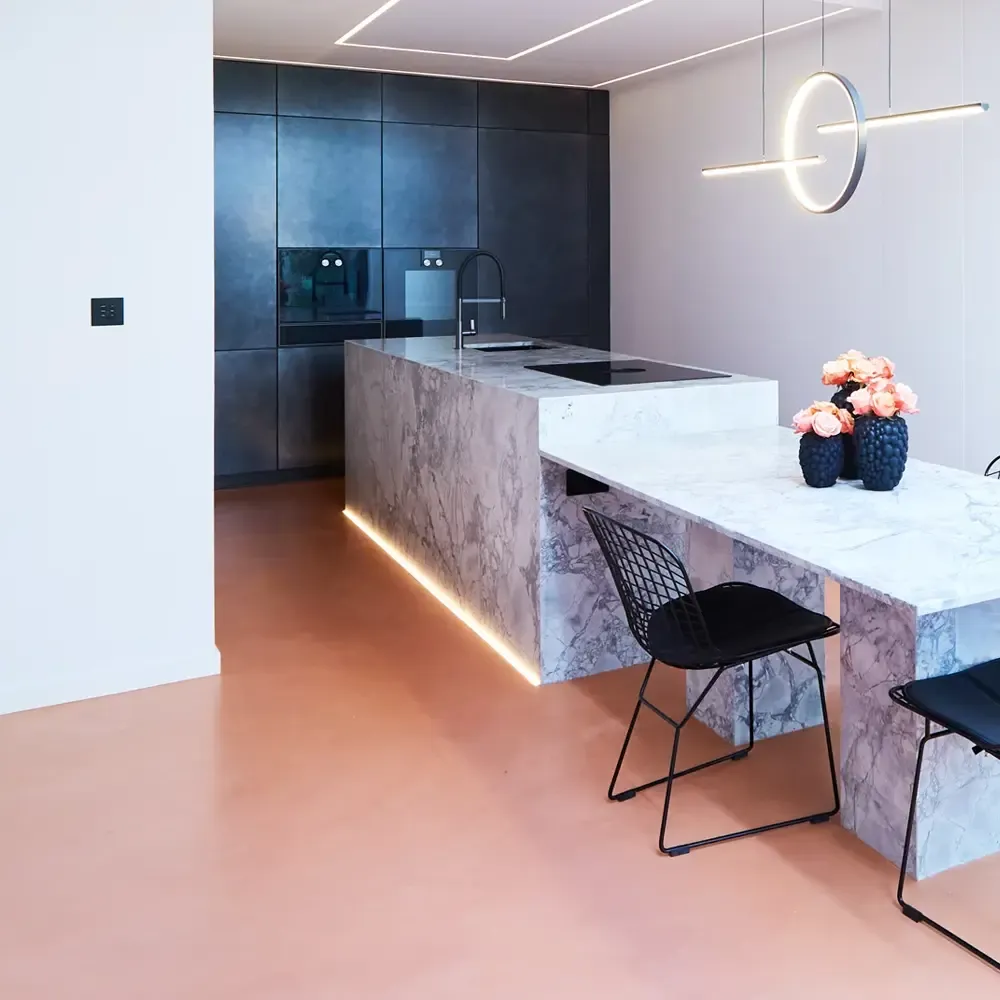
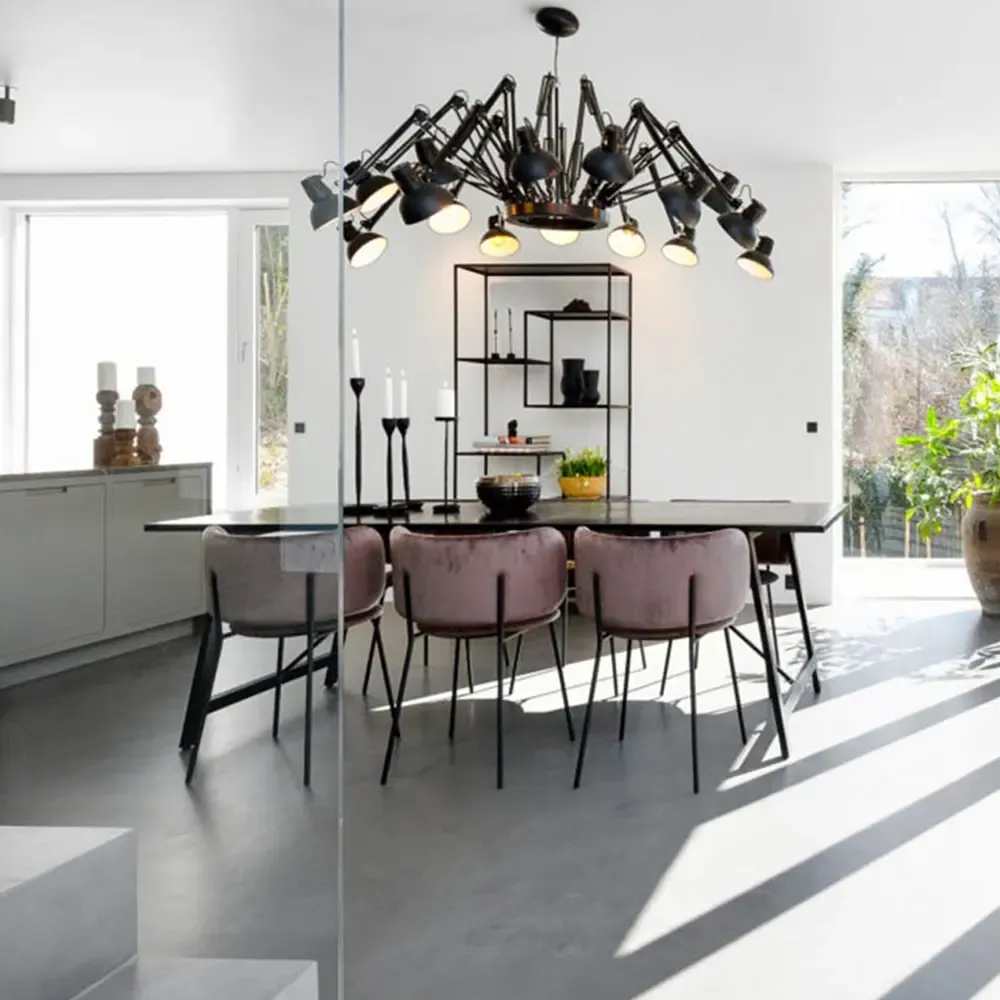
Wherever there is a stable base, inside the house or out under the sun. These are the places Australians use it most.
Microcement flooring
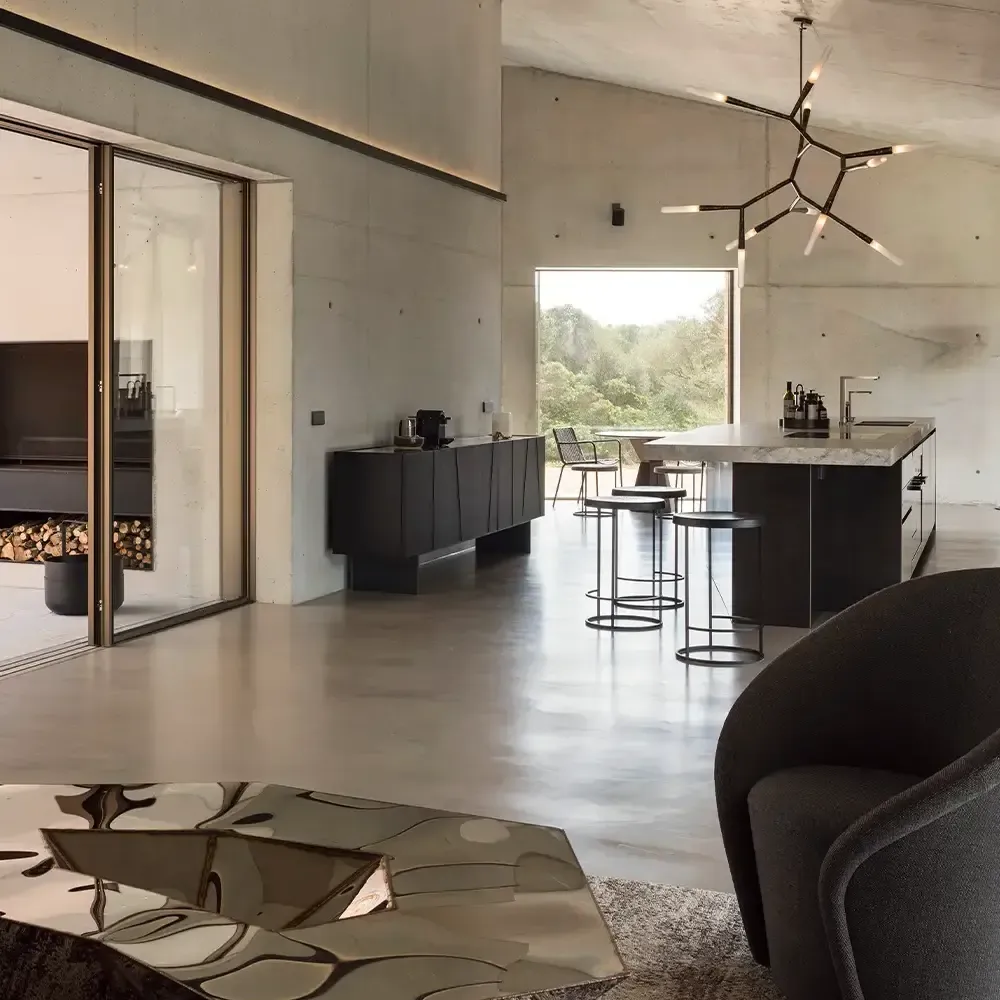
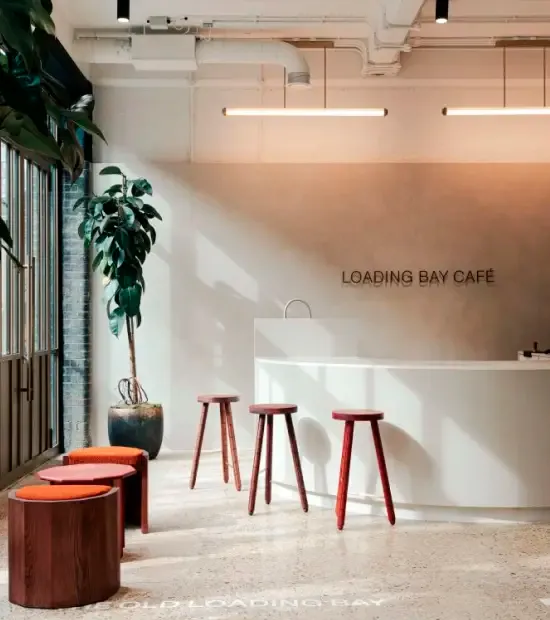
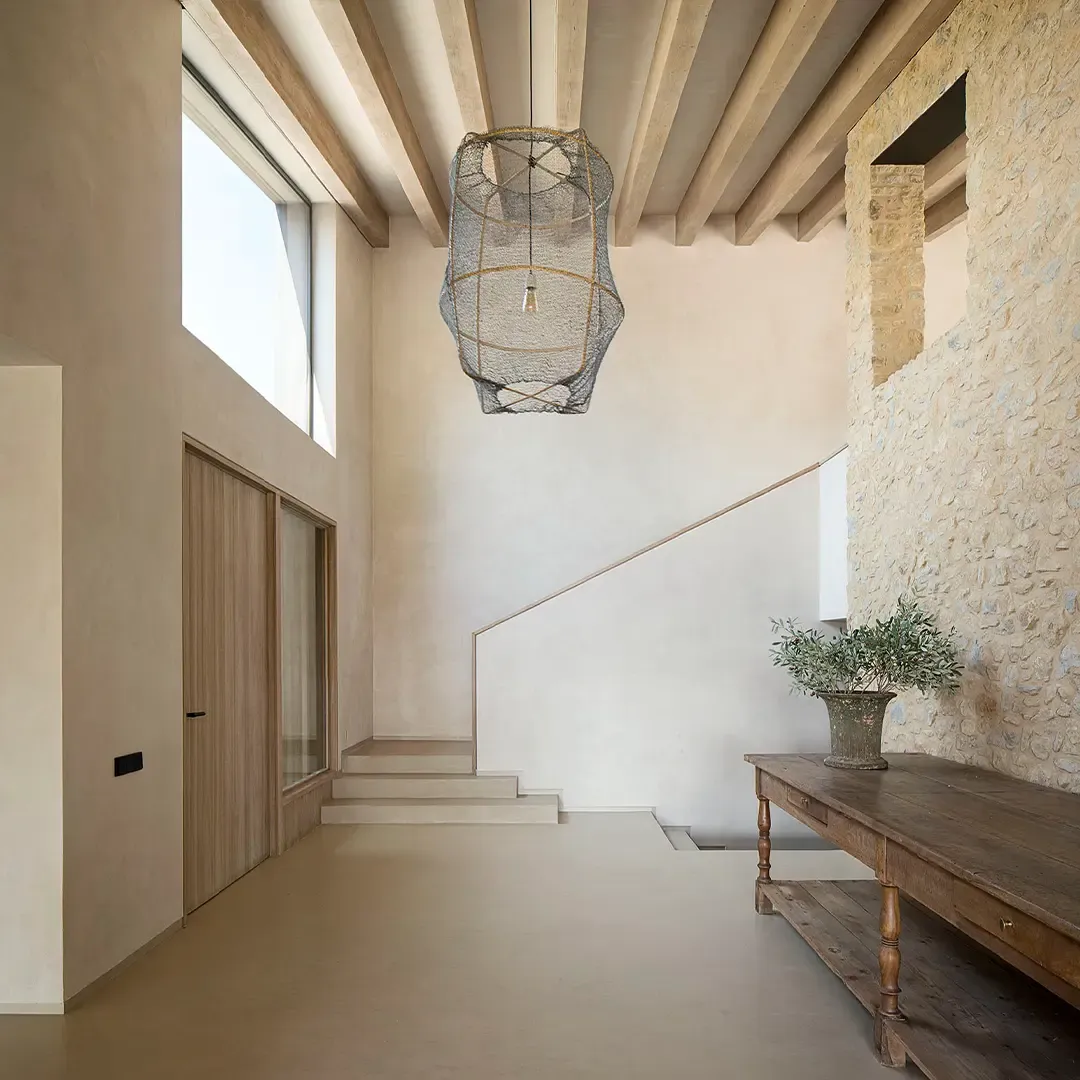
Microcement floors are hard-wearing and simple to keep clean, which makes them a natural fit for busy hallways, open-plan living areas, cafés and shops. The same surface can carry on from the kitchen to the lounge without a threshold strip, over a concrete slab or sound tiles. Finishes go from smooth and polished to textured and rustic, and for the heaviest foot traffic Baxab®Eco is the usual choice.
Microcement bathrooms
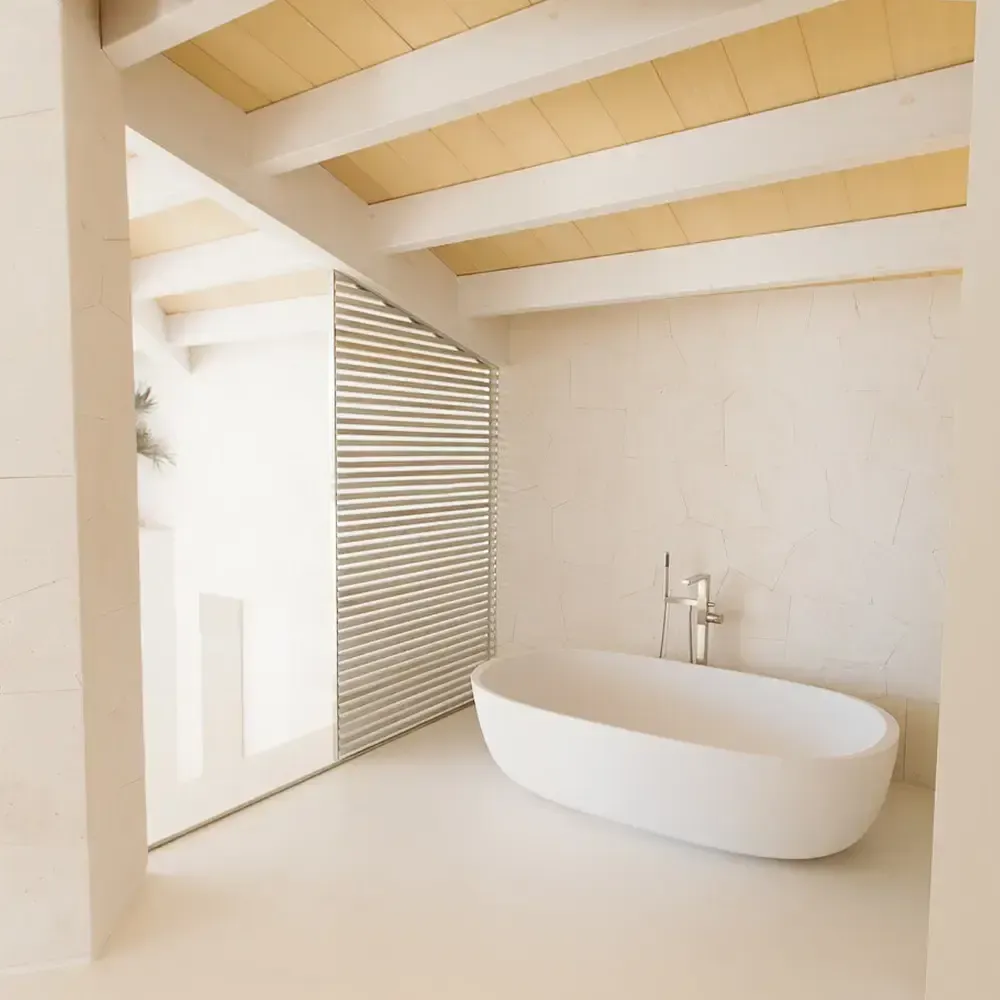
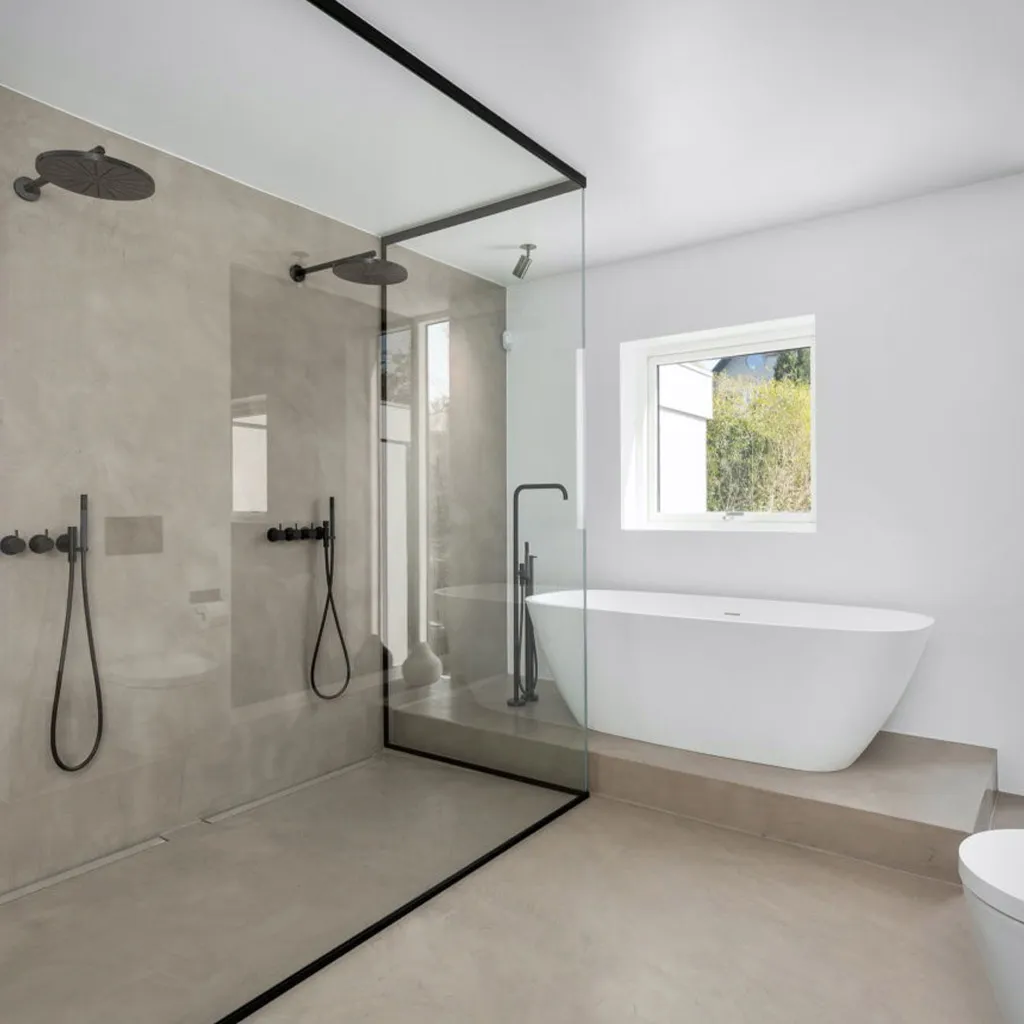
A microcement bathroom does away with the grout lines where mould likes to start, and it can wrap the floor, the walls and the vanity in one continuous finish. Because it goes straight over sound tiles, an older bathroom can be updated without being gutted. Wet areas still get a waterproofing system underneath, and day-to-day cleaning is a wipe with a pH-neutral cleaner. The method over existing tiles is in microcement over tiles.
Microcement benchtops
Microcement benchtops give a kitchen or a vanity a sleek, joint-free surface that suits modern design, laid over the existing base instead of a new slab. Choose the system and sealer for the expected spills and wear. Protect the finish from hot cookware and follow the care instructions. Upkeep is simple, which suits busy households.
Outdoor microcement
Outdoor microcement turns patios, alfresco areas, paths and façades into one seamless surface. Outdoors in Australia the finish has to cope with strong UV and, near the coast, salt air, so the base has to be waterproofed and laid to fall so that rising damp and puddles are managed before the coating is applied. A non-slip finish is available for areas that get wet, around alfresco and barbecue areas.
Microcement on walls
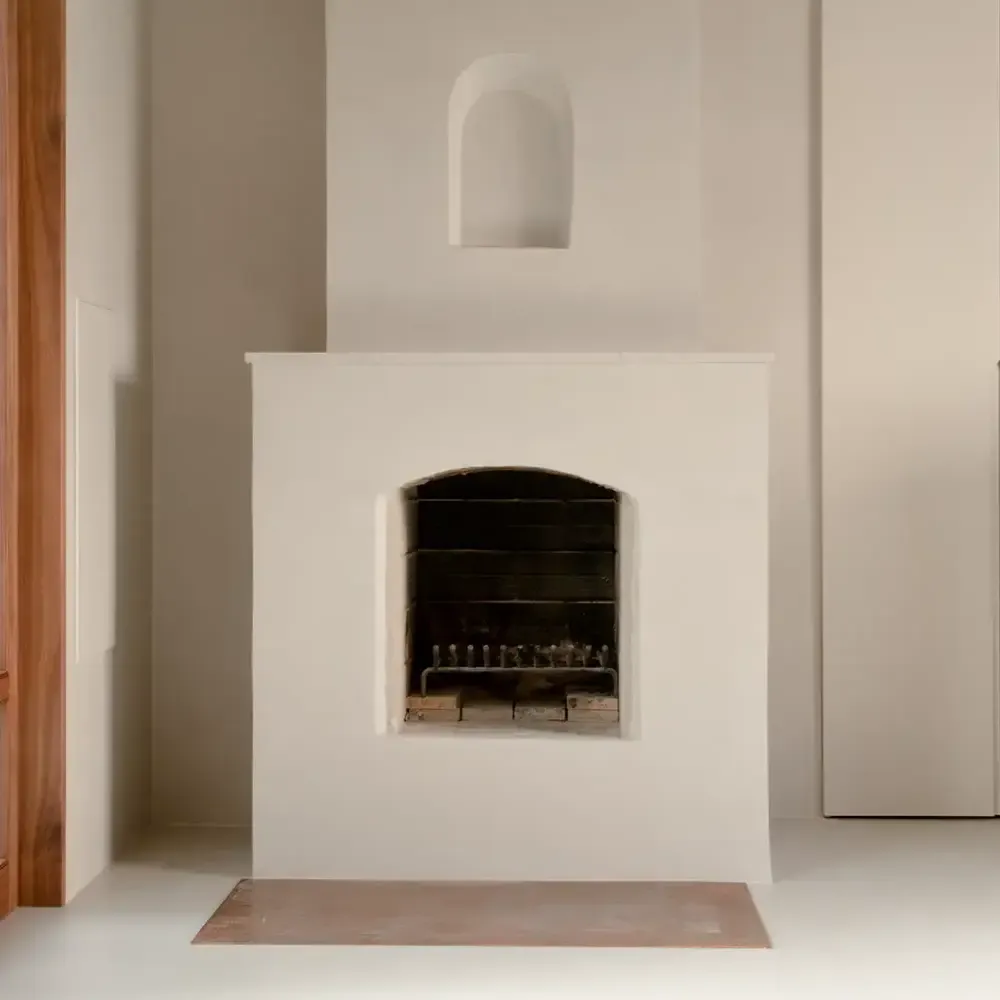
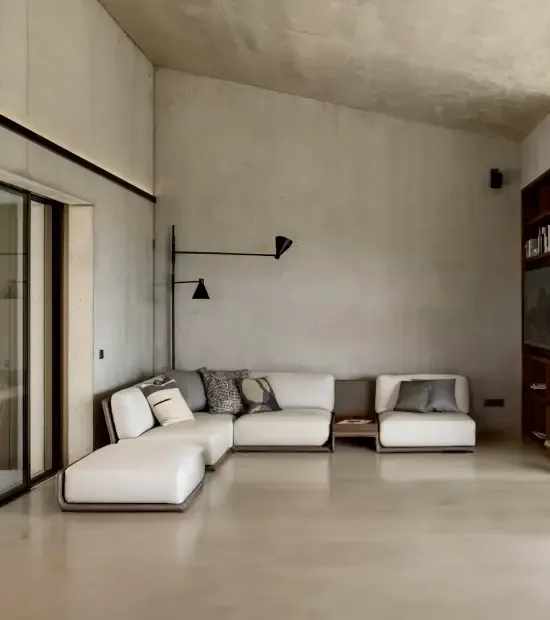
Microcement walls can be smooth and sleek or textured and rustic, over plasterboard, render or tiles. The coating follows curves and uneven surfaces, which makes it a good match for feature walls, arches, niches and entries. It needs very little looking after once sealed.
Microcement kitchens
In a microcement kitchen, the splashback, the benchtop and the floor can share one finish, or you can pick just one of them. Kitchens take more heat, spills and knocks than any other room, so the choice of system and sealer counts for more here, and your applicator will match them to how you cook.
Microcement stairs
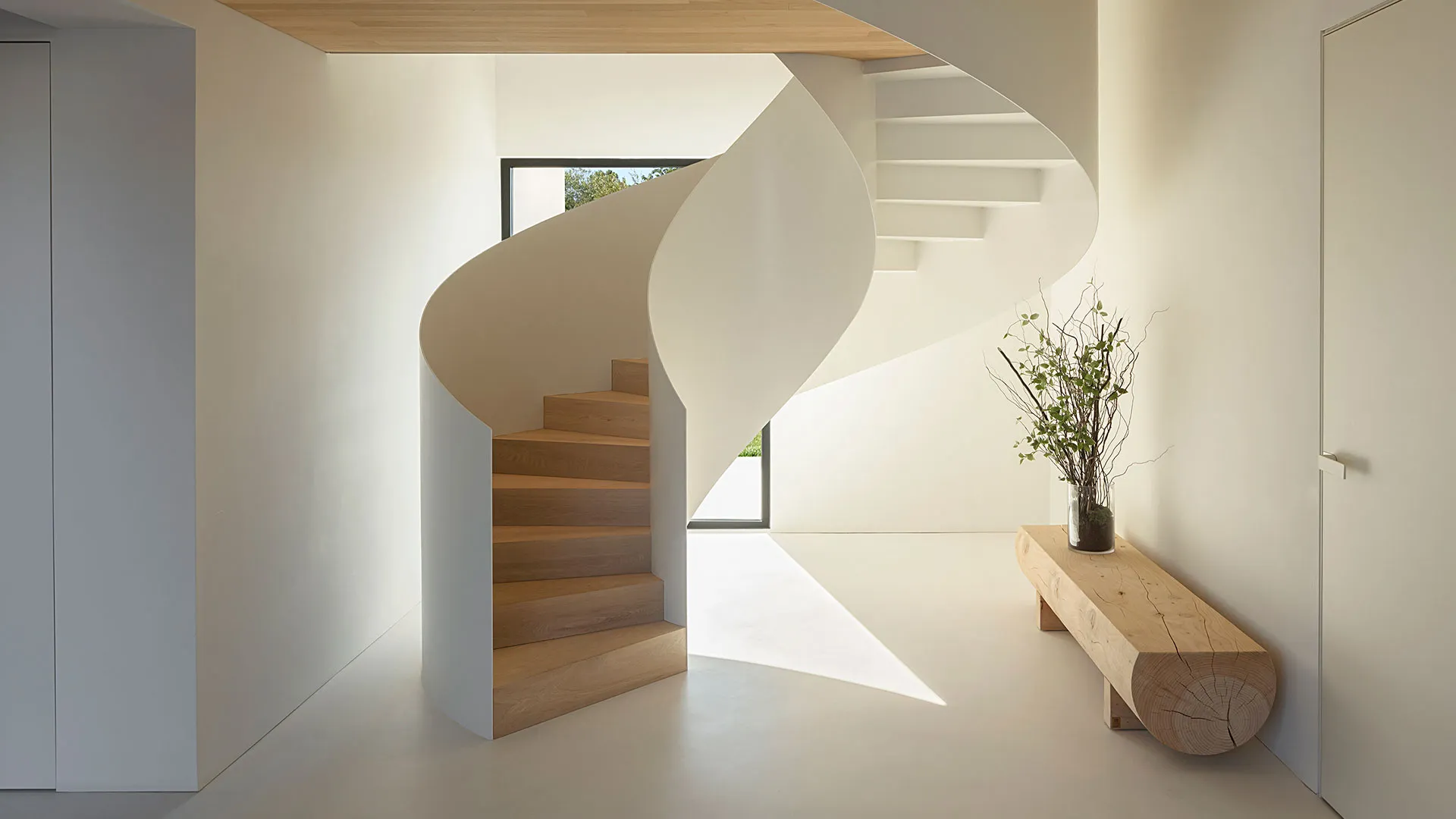
Microcement stairs cover treads and risers in one unbroken finish, with an anti-slip treatment available for extra grip. The structure underneath has to be stable, so timber stairs are assessed first, since timber moves. Once finished, they are easy to clean and stand up well to wear.
Microcement showers
Microcement showers work beautifully in walk-in and frameless designs, because the floor and walls read as one surface with no grout to scrub. They can be finished modern and polished or natural and textured. The waterproofing beneath and the sealer on top are what keep them performing.
Microcement furniture
Microcement furniture lets a vanity, a shelf, a bench seat or a one-off piece match the room around it. It can be applied over timber, metal and plastic and tailored to the design of your space. Topcret makes its own furniture and can also coat pieces designed by its clients.
Topcret’s microcements
Each type of microcement has its own strengths, which makes them right for different jobs.
 See productEcocemento®Indoor floors, walls, furniture and benchtopsA continuous finish for walls, bathrooms and renovation over suitable substrates.
 See productBaxab®EcoIndoor floors, walls, furniture and benchtopsA system for busy floors, walls, furniture and benchtops.
 See productMicrocemento®Indoor floors, walls, furniture and benchtopsA seamless surface solution over suitable substrates, for both new build and refurbishment.
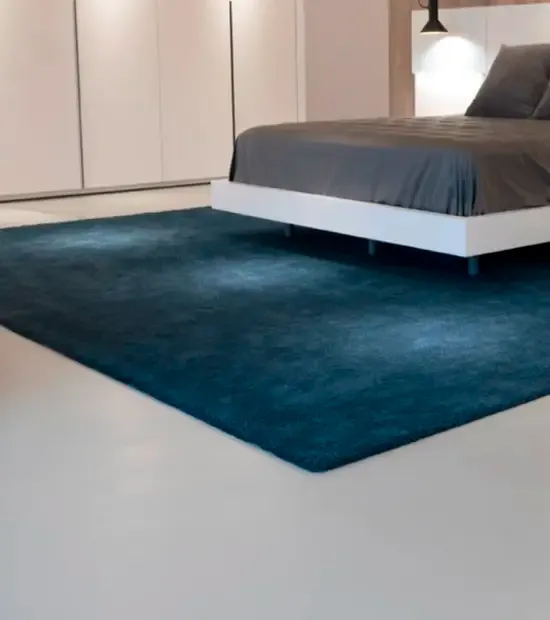 See productSummery®Floors with integrated heatingHeating integrated into a continuous finish; check the installation conditions for your project.
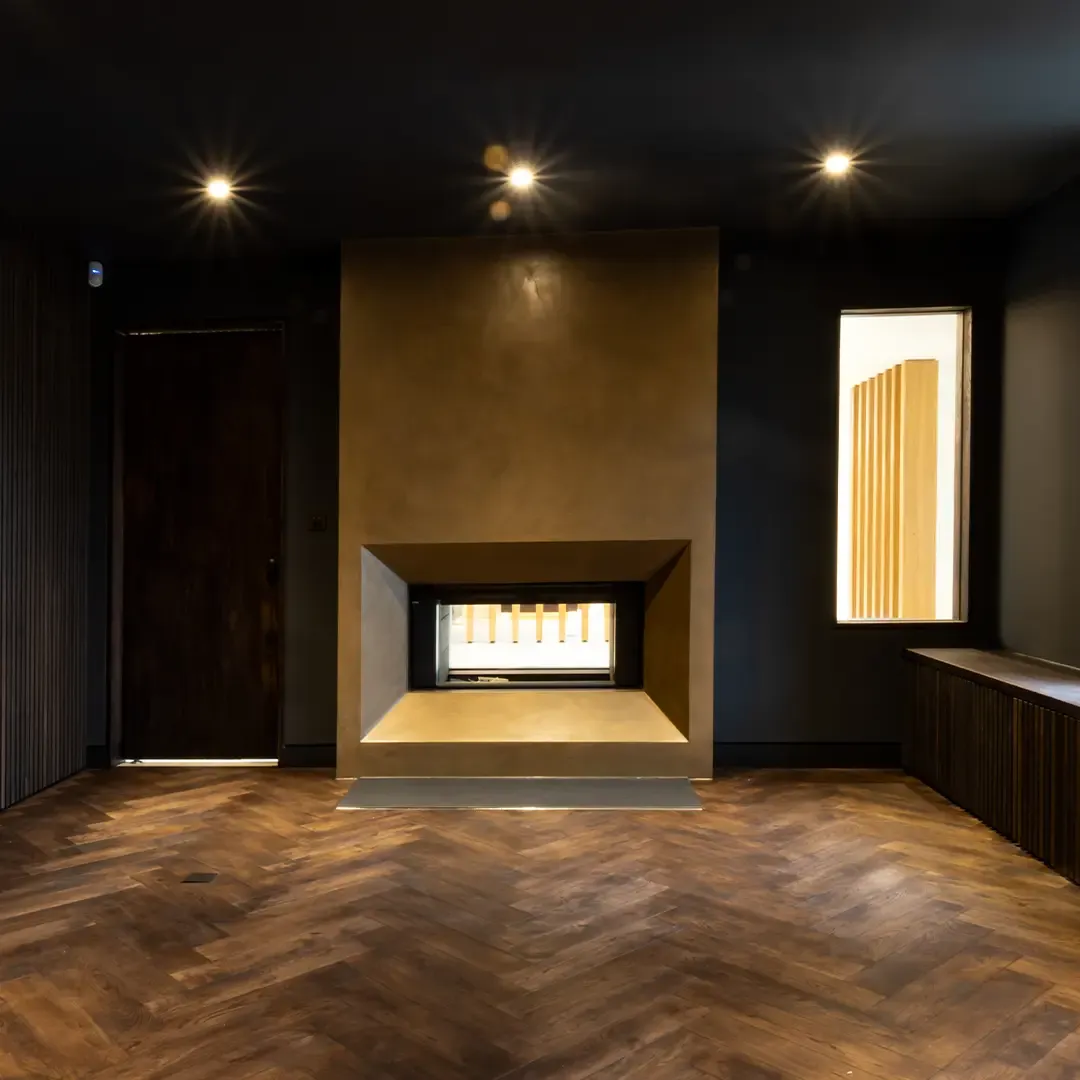 See productReal Metals®Walls, furniture and benchtopsA metallic finish. Seamless surfaces with real metal powder in their make-up.
What microcement brings
The benefits of a continuous finish depend on choosing the right system and preparing it for its use.
- VersatilityContinuous finishes for floors, walls, bathrooms, kitchens and furniture, using a system suited to the surface.
- RenovationA suitable existing substrate can be retained, reducing demolition work.
- Daily useChoose the product, preparation and sealer for the expected traffic and wear.
- PersonalisationColours, textures and finishes to suit the project.
- Wet areasA sealed coating is combined with the waterproofing required for the area.
- CleaningNo tile grout lines; follow the product care guidance and use a pH-neutral cleaner.
- MaintenanceProtect the sealer and check when it should be renewed to preserve the finish.
- ContinuityA consistent visual finish between rooms, while respecting movement joints and construction details.
Underfloor heating for large spaces
Summery® integrates heating into a continuous finish. The system needs to be selected and sized for the substrate and the room.
If you already have underfloor heating, check coating compatibility, base preparation and the return-to-use protocol before work starts.
- Heating integrated into the finish
- Substrate preparation
- Installation conditions for your project
Ask for the technical and installation conditions for your project before covering the floor.
Discover our colours
Explore the Topcret palette and textures. Review samples and the finish alongside the lighting and materials of your project before choosing.
- Colours and textures
- Selection for your project
Check the options available for your chosen system.
Microcement, surface by surface
Each surface has its own guide: suitable substrates, preparation and the system to consider for its intended use.
- Floors, walls and stairs
- Bathrooms, kitchens and furniture
Technical documentation for your project
Choose a system for its substrate, expected traffic, water exposure and finish. Consult the technical sheets and environmental documentation for the specific product in the Architects Area. Results for one system should not be applied to the whole range.
The six steps of an installation
- 01Preparationthe applicator checks, repairs and primes the base, adding mesh where it needs reinforcing.
- 02Levelling coata first coat evens out the surface.
- 03Colour coata second coat brings the colour and texture.
- 04Sandingthe surface is smoothed between and after coats.
- 05Sealingthe pores are closed against water and stains.
- 06Protective varnisha final layer in matte, satin or gloss.
Follow the product-specific drying, curing and return-to-use times for the site conditions. Step by step, with drying times: microcement application.
Building sustainably with Topcret
Applying a coating over a suitable existing substrate can reduce demolition waste. Assess the environmental documentation and technical sheets for the product used on your project; a property of one product does not establish the performance of the full range. Explore eco-friendly microcements and Topcret’s sustainability information.
Sustainability Certifications





Application and warranty conditions
Before accepting a quote, ask for the proposed system, preparation work, return-to-use times and applicable warranty terms in writing. Check the application and maintenance requirements for the product with Topcret.
Before you decide
Will it crack? Microcement moves with whatever is underneath. If the slab or wall shifts, a hairline crack can appear, which is why applicators reinforce joints and weak spots with mesh before the first coat. See microcement problems.
Is it cheaper than tiles? Compared with standard tiles, usually not. Compared with removing old tiles and retiling, often yes, with the scope of preparation included in the comparison. The full comparison is in microcement vs tiles.
Is it waterproof? Sealed microcement resists water well enough for a shower, and in wet areas it sits on a waterproofing system. More in is microcement waterproof?.
What about other finishes? Microcement vs polished concrete · vs tadelakt · vs Venetian plaster · vs micro concrete
FAQs
Can I do micro cement myself?
On a small feature, if you have done rendering or plastering before. On a shower, floor or benchtop, the risk sits in the preparation and sealing, which is what certified applicators are trained in. Ask Topcret about the application arrangements for your project.
How long does microcement last?
Service life depends on the substrate, use and care of the finish. The sealer may need renewal; follow the maintenance guidance for the system rather than relying on a fixed lifespan for every project.
Which surfaces can Microcemento® or Baxab® go over?
Both bond strongly to practically any stable surface: ceramic and porcelain tiles, cement mortar, plaster, plasterboard and marble. Leaving the old surface in place makes the renovation quicker and cheaper.
Can it go over timber or floating floors?
No. Timber and floating floors move too much, so they are lifted before Microcemento® or Baxab® is laid.
Can it be used on stairs?
Choose a suitable system after checking tread and riser stability, edge details and the slip resistance required for the project.
Can it be used outdoors?
Choose a system suitable for outdoor use and the expected exposure. Check base waterproofing, falls, junctions and slip resistance. Real Metals® is for indoor use.
Can Topcret coat furniture?
Yes. Topcret makes its own furniture and can also coat pieces designed by its clients.
Is microcement slippery?
Choose the finish and surface treatment for the use and applicable standards. Ask your applicator about the slip resistance required; different finishes do not provide the same grip.
Does it work with underfloor heating?
Compatibility depends on the system and base preparation. Check the proposed product, heating protocol and return-to-use conditions with Topcret before covering the floor.
Do I need council approval?
Requirements depend on the project and your local authority. Check council and strata requirements before work starts, especially in commercial or strata buildings.
What our clients say
- Topcret helped me doing a repair on my existing floor, and went the distance to get a good result. I would definitely use them againGillian D.★★★★★ (opens in a new tab)
- Jack and the team at Topcret were top-draw. We're beyond pleased with the finished look, but also very impressed with the experience. From our 1st meeting to the aftercare, Topcret were nothing but professional, knowledgable, friendly and flexible. Highly recommend.Sam S.★★★★★ (opens in a new tab)
- Topcret and Juan in particular went above and beyond. Juan worked long days to finish the project as soon as possible, and used his technical knowledge and expertise to problem-solve some of the issues we had with previous tradesmen's mistakes. So happy Topcret could match the paint colour we wanted and that the result is more of an even finish than the typical microcement mix of shades (which they can do as well - we just didn't want that look). Delighted with the result and would definitely use them again. Thank you so much!Isabel D.★★★★★ (opens in a new tab)
- We had our kitchen and bathrooms done in our house in Sydney. The team was very friendly and efficient and the end result was exactly what we wanted. Can’t recommend them enough!Carolina R.★★★★★ (opens in a new tab)
- Topcret’s attention to detail and overall quality of their work is exceptional. I am pleased with the results and would highly recommend Topcret to anyone in need of their services.Rodrigo T.★★★★★ (opens in a new tab)
- Jack has been incredibly helpful in answering all my inquiries since I’ve first visited the showroom. He also made sure that all the technical queries that were put forth from the architects were addressed and proposed solutions to better fit the material. I couldn't be happier, and would recommend 100%.Liza M.★★★★★ (opens in a new tab)
- I recently hired Topcret to finish the renovation on my kitchen and couldn’t be happier with the results. The transformation they've made is just incredible. Provided high quality work with great attention to detail. I would recommend Topcret to anyone looking to make their spaces more attractive!Francesco N.★★★★★ (opens in a new tab)
- Love the product and great customer service. I decided to go for a warm terracotta and Top Cret were very happy to accommodate to develop my own colour.Jacqui P.★★★★★ (opens in a new tab)
- Really happy with the quality of work Topcret have provided for my home. They did 2 Bathrooms, floors and walls which were finished in just 3 days. Jack was extremely helpful throughout the process, answering the many questions I had for him. Great product/ service, I will be recommending to everyone.Tommy J.★★★★★ (opens in a new tab)