Menu
TOPCRET – CLAY
Clay Kitchens: Natural Texture & Style for Modern Homes
In the heart of every home lies the kitchen. It’s where food is shared, conversations flow, and design truly matters. And now, clay is changing the way we think about kitchen interiors.
Clay kitchens are gaining popularity—not just for their stunning aesthetic, but because they feel real. Textural, natural, and handcrafted, clay brings a level of character most synthetic materials can’t match. But is it practical for a busy kitchen? Absolutely. Let’s break it down.

Why Clay Is Trending in Kitchen Design
Interior designers and homeowners alike are embracing clay for its versatility and tactile warmth. In a space known for sharp corners and cold surfaces, clay softens and humanises.
The Unique Benefits of Clay in the Kitchen
Natural Aesthetics and Texture
Clay finishes are matt, textured, and calming. They invite touch and offer depth unlike paint or tiles. Whether smooth or rugged, they add a timeless charm.
Healthier Indoor Air Quality
Clay is breathable and free from VOCs, making it a healthier choice—especially in areas where food is prepared and families gather. It helps regulate moisture and reduce airborne toxins.
Understanding How Clay Performs in Kitchens
Kitchens are high-traffic, high-moisture, and high-impact zones. Fortunately, modern clay finishes are designed to stand up to wear and tear, especially when sealed correctly.
- Resistant to stains
- Wipeable surface
- Can be waterproof when combined with the right system
Clay Surfaces That Work in Busy Kitchens
Walls and Backsplashes
Clay is an ideal alternative to tiles. It creates a seamless surface, easy to clean and surprisingly resistant with the right sealant.
Kitchen Islands and Feature Walls
Textured clay finishes on islands create a centrepiece in the kitchen. Pair with stone or wood for balance.
Complementary Surfaces
Combine clay with materials like:
- Matte wood cabinetry
- Raw concrete countertops
- Brushed brass or black steel fixtures
Comparing Clay to Other Kitchen Materials
| Material | Heat Resistance | Moisture Resistance | Aesthetic | Maintenance |
|---|---|---|---|---|
| Clay | High | Moderate–High (with sealant) |
Natural, warm | Low |
| Tiles | High | High | Glossy, hard | Moderate |
| Paint | Low | Low | Flat, plain | High |
| Cement Plaster | High | Moderate | Industrial | Moderate–High |
Designing with Clay Finishes
Choosing the Right Colour Palette
Clay surfaces come in natural tones like sand, olive, charcoal, and terracotta. They help create a calming, grounded kitchen space.
Popular Texture Styles
- S: Smooth and modern
- M: Softly textured
- L: Rich and layered
- XL: Bold and rustic
Combining Clay with Other Elements
Create contrast with:
- Glossy tiles for splashbacks
- Polished countertops
- Exposed beams or stone for a warm, rustic finish
Modern Applications of Clay Kitchens
Urban Kitchen Styles
In city flats, clay adds organic depth to otherwise sharp interiors. It pairs perfectly with handle-less cabinetry and minimalist layouts.
Rustic or Farmhouse Kitchens
Here’s where clay shines. Its imperfections and tactile feel give your kitchen that artisan-crafted look.
Sustainable & Minimalist Designs
If you’re into low-impact living, clay ticks all the boxes: biodegradable, VOC-free, and long-lasting.
Installation and Maintenance
Preparation and Substrates
Clay needs a stable, absorbent base like:
- Cement board
- Lime render
- Plasterboard with primer
Ongoing Care Tips
- Wipe with a damp cloth
- Avoid harsh chemicals
- Reapply sealer every few years in high-use areas
Common Misconceptions About Clay Kitchens
- “Too fragile” – Not true with modern systems
- “Hard to clean” – Sealed clay is wipeable
- “Looks too rustic” – Smooth textures suit modern styles
Budgeting for a Clay Kitchen
While clay isn’t the cheapest option, it’s a smart long-term investment:
- Lower maintenance = fewer repairs
- Higher visual impact = increased property value
Timeless style = no need for frequent updates
Conclusion
Clay kitchens are more than a trend—they’re a lifestyle choice. With earthy texture, warmth, and incredible versatility, clay brings your kitchen to life. It blends form and function, nature and design, into one unforgettable space.
Whether you’re starting from scratch or upgrading your current kitchen, clay offers a tactile, timeless option that’s both beautiful and built to last.
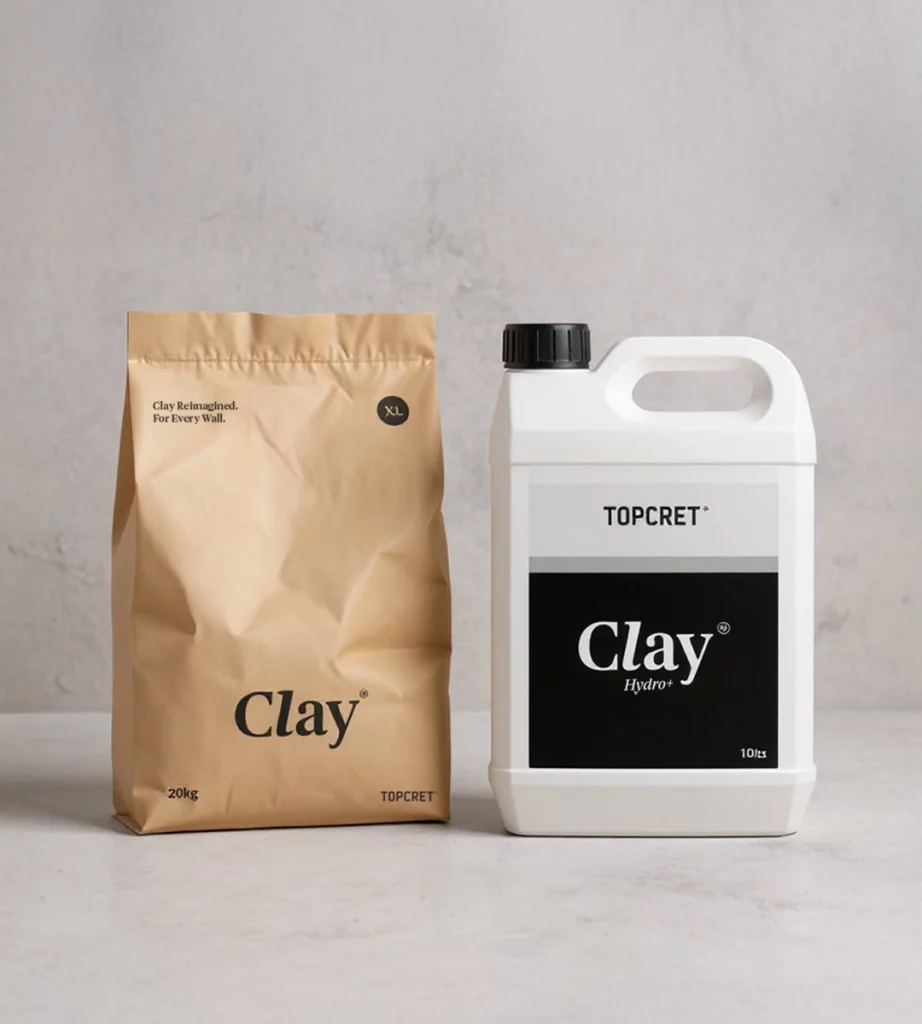
👉 Ready to elevate your walls? Contact TOPCRET and discover the Clay® system today.
FAQs
1. Is clay suitable for all kitchen surfaces?
Mostly for walls, islands, and splashbacks. Not recommended for countertops.
2. Can I use clay finishes behind the stove?
Yes, but sealing is essential to protect from splashes and heat.
3. Is clay safe for families with children?
Absolutely—it’s free of VOCs and safe to touch.
4. Does clay stain easily?
Not when sealed. Sealing helps prevent water and oil absorption.
5. How long does a clay kitchen finish last?
With proper care, it can last over a decade—and age beautifully.
Let’s
get in
touch
get in
touch
Let's get in touch
"*" indicates required fields