
TOPCRET – CLAY
Clay walls: how they work in American homes, room by room
A clay wall looks soft from across the room and feels cool and slightly grainy under your hand. It is matte, so light spreads across it rather than bouncing off, and it quiets a room in a way paint doesn't. That is why clay walls have moved from adobe homes in the Southwest and natural-building projects into city apartments, suburban remodels and hotel lobbies.
This page is about the practical side: how a clay finish goes onto the drywall you already have, which rooms it suits, what it takes to keep it looking good, and how to tell real clay from the «Roman clay» look you have seen online.
In short: yes, you can put clay on walls, including the drywall in most American homes. Once the drywall is sound and primed, a certified applicator trowels on a base coat and finish coats of clay plaster. The result is seamless, matte and VOC-free, and small marks can be touched up without redoing the wall.
Request a quote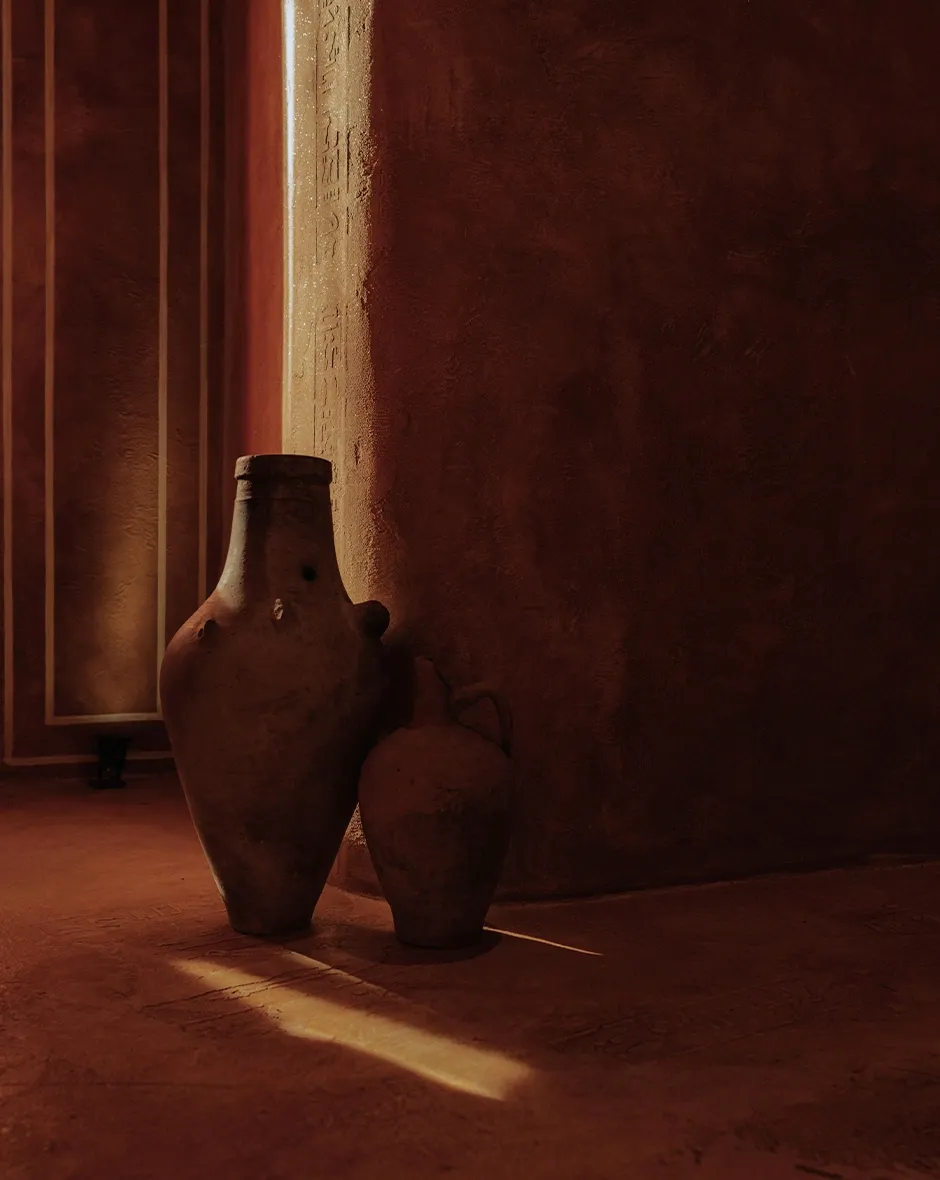
- Goes over: primed drywall, cement board, plaster and render
- No demolition: applied over the existing wall
- Textures: from smooth to rustic
- VOC content: VOC-free
- For wet zones: Clay® Hydro+
- Guarantee: 3 years in writing
What are clay walls?
A clay wall is a wall finished in clay plaster: unfired clay mixed with fine sand and mineral pigments, troweled on in thin coats. It has been used for thousands of years, from Pueblo adobe to Mediterranean farmhouses, because clay is easy to find, doesn't need firing and stays vapor-open.
Today «clay walls» covers two quite different things:
- Traditional clay plaster, natural and breathable, best on dry interior walls. American Clay is the brand most people know in the US.
- Modern clay systems such as Clay® by Topcret, which keep the look and the breathability but are formulated to resist dusting, cracking and, with the Hydro+ system, water.
Real clay vs. «Roman clay»
Much of what trends under «clay walls» on social media is a decorative plaster, or joint compound tinted with paint, troweled to look like clay. It can be a pretty finish. It is not clay plaster: it doesn't buffer humidity the same way, and it behaves differently when you clean or repair it. If a product is described as clay, check the ingredient list.
Why homeowners choose clay walls
- The look. Depth and slight variation that paint can't reproduce, in textures from smooth to rustic.
- VOC-free. No solvent smell, which matters in bedrooms and nurseries.
- Humidity buffering. Clay takes in moisture when the air is damp and gives it back when it dries. It evens out the swings; it doesn't replace ventilation.
- A quieter room. A matte, slightly porous surface softens echo, which you notice in rooms with hard floors and high ceilings.
- No grout, no seams. One continuous surface, corner to corner.
Clay walls over drywall: what preparation looks like
Most interior walls in the US are gypsum drywall, painted. That is a good base for Clay®, as long as it is sound.
- 01Check the wallLoose tape, popped screws, water stains and cracks get fixed first. Movement in the wall shows through any plaster.
- 02Clean and de-glossDust, grease and glossy paint reduce adhesion.
- 03PrimeThe applicator uses the primer the Clay® system specifies for that surface.
- 04Base coat, then finish coatsThe number of coats depends on the texture you chose.
- 05Seal, if the system calls for itDry rooms and wet zones are treated differently.
Other common American substrates: cement board (bathrooms, around fireplaces) takes Clay® well; plaster-and-lath walls in older homes are fine once cracks are stabilized. For any other surface, check with your applicator first. The full sequence, step by step, is in how Clay® is applied.
Clay walls in every room
Living rooms and open-plan spaces
A clay wall gives a large living area a single, calm backdrop. In open-plan homes, running the same finish from the living room into the kitchen wall ties the spaces together. Smooth or lightly textured finishes keep it contemporary.
Primary bedrooms and nurseries
Bedrooms are where most people start: VOC-free, matte, soft in low light. A headboard wall in a heavier texture is a common first project.
Entryways, mudrooms and hallways
These walls take knocks from bags, strollers and boots. Clay® is formulated to stand up to daily use better than traditional clay, but every plaster can dent under a hard hit. Choose a medium texture, which hides marks better than a perfectly smooth one, and ask your applicator about the sealer for high-touch areas.
Home offices
Clay's matte surface and its effect on echo make a home office better for video calls. A deep, muted color behind a desk also reads well on camera.
Kitchens and bathrooms
With Clay® Hydro+, clay walls work in bathrooms and near kitchen sinks. Traditional clay should stay away from direct water. See clay plaster bathrooms and clay plaster in the kitchen.
Ceilings
Carrying the finish onto the ceiling removes the shadow line at the top of the wall. See clay plaster ceilings.
Commercial spaces
Hotels, restaurants, spas and boutiques use clay walls to signal warmth and craft. Clay® is designed for spaces with daily traffic.
Textures and colors for clay walls
Clay® comes in different textures, from minimal and almost velvety to bold and rustic, with visible trowel movement and depth in between.
Earthy neutrals, warm terracottas and soft grays are the most requested, and custom colors are available through Paint To Sample. Full palette in clay plaster colors and textures side by side in Clay® finishes.
Clay walls vs. other wall finishes
| Painted drywall | Venetian plaster | Traditional clay | Clay® | |
|---|---|---|---|---|
| Look | Flat, uniform | Polished, marbled | Matte, organic | Matte, organic, smooth to rustic |
| VOC-free | Depends on the paint | Depends on the product | Yes | Yes |
| Humidity buffering | No | Limited | Yes | Yes |
| Wet zones | Bathroom-rated paint | Some systems | No | With Hydro+ |
| Repair | Repaint | Skilled patch | Re-wet and re-trowel | Applicator touch-up |
| DIY | Easy | Hard | Possible, steep learning curve | Certified applicators only |
Care, marks and repairs
- Cleaning: dust with a soft cloth or vacuum brush; wipe sealed areas with a damp cloth. No abrasive pads, no harsh cleaners.
- Marks and scuffs: light scuffs often lift with a damp sponge. A dent from furniture can be filled and re-troweled locally by the applicator. Because clay is a natural material, a touch-up blends in better than a patch on paint.
- What to avoid: hanging heavy items without checking the substrate behind the plaster, and scrubbing an unsealed dry-room finish.
Disadvantages of clay walls, honestly
- They cost more than paint: the labor is skilled.
- Traditional clay is soft and can't take running water.
- A trowel finish isn't a weekend DIY job if you want an even result.
- Very dark colors show dust more than mid-tones.
How long do clay walls last?
On a dry interior wall, decades. Clay® carries a 3-year written guarantee on product and application, and it can be refreshed in place rather than replaced.
FAQs
Can you put clay on walls?
Yes. Clay plaster goes over sound, primed drywall, cement board and plaster. Clay® is applied by certified applicators without tearing out the existing wall.
Can clay plaster go over drywall?
Yes, once the drywall is sound, clean and primed with the primer the system specifies.
What are the disadvantages of clay walls?
They cost more than paint, traditional clay is soft and doesn't tolerate running water, and the finish takes skill to apply evenly.
How long do clay walls last?
Decades in dry rooms. Clay® carries a written 3-year guarantee on product and application.
Is «Roman clay» the same as clay plaster?
No. Many «Roman clay» finishes are decorative plasters or tinted joint compound. Real clay plaster is made from unfired clay, sand and mineral pigments.
Can I have clay walls in a bathroom?
Yes, with Clay® Hydro+ near water. Traditional clay should stay out of the shower.
Request a quote
Tell us about your project
A few quick questions and we will get back to you with a tailored proposal.
Email or call us
The quote form needs JavaScript. You can also contact us directly:
A rough figure is fine.
Optional
Where are you based?
Your handle or a link to the profile.
Your contact details
Last step: we will email or call you with our answer.
Please wait a moment…
Preview: the HubSpot form is embedded here. No data is sent in this demo.
We could not load the last step
Email or call us and we will get back to you all the same:
Thank you for your interest
We have received your enquiry. A Topcret advisor will be in touch with you very soon.
Preview complete
This is a demo: no data was sent and nobody will receive this enquiry.
Success Stories
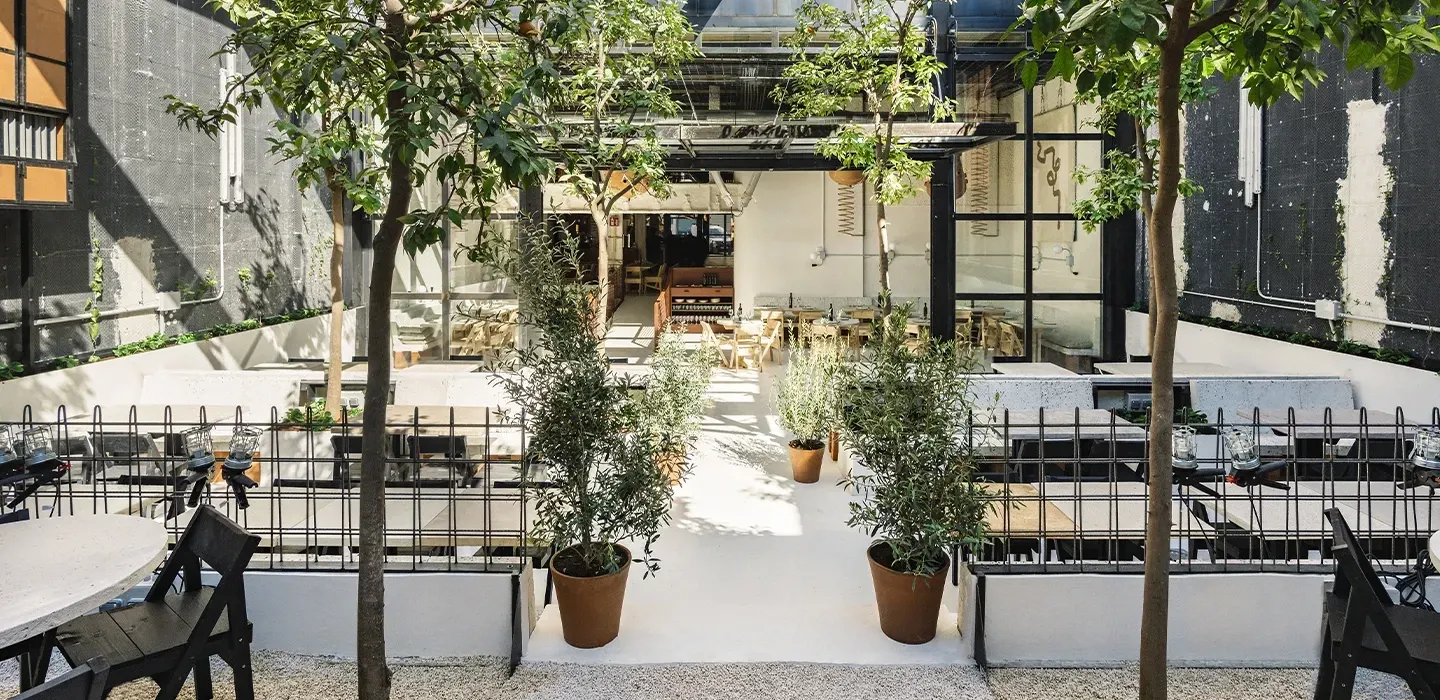
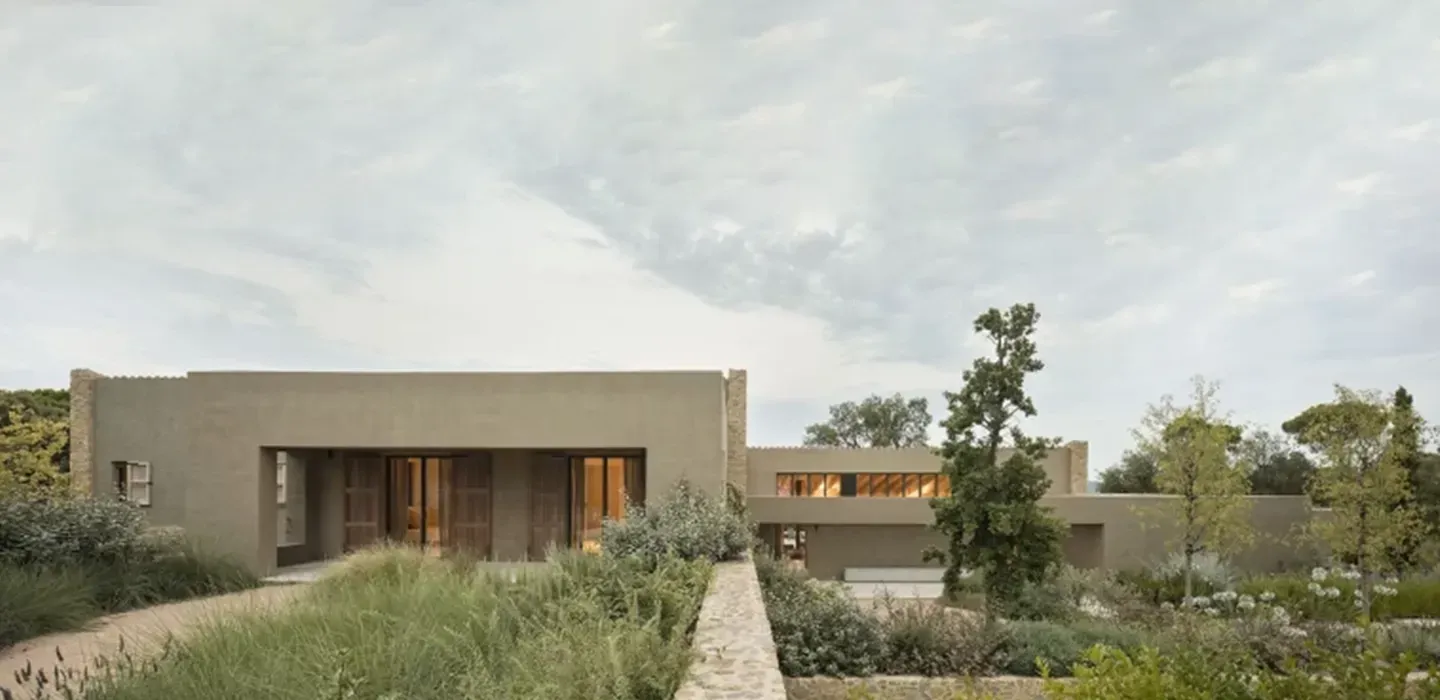
Real projects, real results.






What our clients say
- Topcret helped me doing a repair on my existing floor, and went the distance to get a good result. I would definitely use them againGillian D.★★★★★ (opens in a new tab)
- Jack and the team at Topcret were top-draw. We're beyond pleased with the finished look, but also very impressed with the experience. From our 1st meeting to the aftercare, Topcret were nothing but professional, knowledgable, friendly and flexible. Highly recommend.Sam S.★★★★★ (opens in a new tab)
- Topcret and Juan in particular went above and beyond. Juan worked long days to finish the project as soon as possible, and used his technical knowledge and expertise to problem-solve some of the issues we had with previous tradesmen's mistakes. So happy Topcret could match the paint colour we wanted and that the result is more of an even finish than the typical microcement mix of shades (which they can do as well - we just didn't want that look). Delighted with the result and would definitely use them again. Thank you so much!Isabel D.★★★★★ (opens in a new tab)
- We had our kitchen and bathrooms done in our house in Sydney. The team was very friendly and efficient and the end result was exactly what we wanted. Can’t recommend them enough!Carolina R.★★★★★ (opens in a new tab)
- Topcret’s attention to detail and overall quality of their work is exceptional. I am pleased with the results and would highly recommend Topcret to anyone in need of their services.Rodrigo T.★★★★★ (opens in a new tab)
- Jack has been incredibly helpful in answering all my inquiries since I’ve first visited the showroom. He also made sure that all the technical queries that were put forth from the architects were addressed and proposed solutions to better fit the material. I couldn't be happier, and would recommend 100%.Liza M.★★★★★ (opens in a new tab)
- I recently hired Topcret to finish the renovation on my kitchen and couldn’t be happier with the results. The transformation they've made is just incredible. Provided high quality work with great attention to detail. I would recommend Topcret to anyone looking to make their spaces more attractive!Francesco N.★★★★★ (opens in a new tab)
- Love the product and great customer service. I decided to go for a warm terracotta and Top Cret were very happy to accommodate to develop my own colour.Jacqui P.★★★★★ (opens in a new tab)
- Really happy with the quality of work Topcret have provided for my home. They did 2 Bathrooms, floors and walls which were finished in just 3 days. Jack was extremely helpful throughout the process, answering the many questions I had for him. Great product/ service, I will be recommending to everyone.Tommy J.★★★★★ (opens in a new tab)