
TOPCRET – CLAY
Natural clay plaster for interior walls: what it is good at, and where it falls short
Natural clay plaster is about as simple as a wall finish gets: earth, sand, pigment and water. It has finished walls for thousands of years, from adobe homes in New Mexico to farmhouses across Europe, and it is back because people want interiors that feel calmer and contain fewer synthetic materials.
This page explains what natural clay plaster is, where it works best inside a home, where it struggles, and how Clay® by Topcret builds on it.
In short: natural clay plaster is a mix of unfired clay, fine sand and mineral pigments, troweled onto interior walls and ceilings. It is VOC-free, breathable, buffers humidity and repairs easily. Its weak points are softness and water: it marks under scrubbing and erodes in showers. Modern systems such as Clay® address both.
Request a quote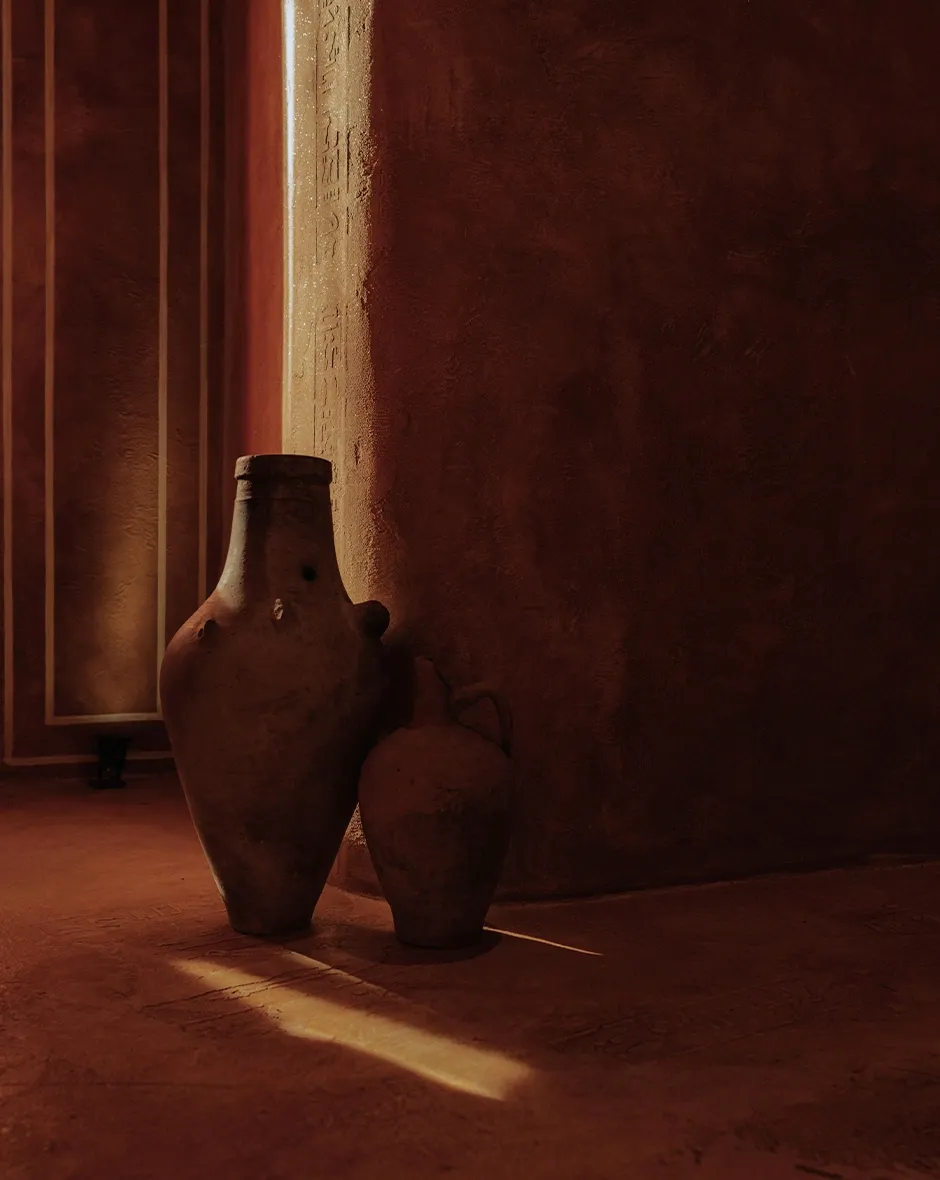
What is natural clay plaster made of?
- Clay: the binder. It holds everything together without being fired or chemically cured.
- Sand or fine aggregate: the body. More sand means less shrinkage and fewer cracks.
- Mineral pigments: the color, usually earth oxides.
- Fibers (sometimes): straw, hemp or cellulose to reinforce base coats.
It hardens as the water evaporates. Because nothing is cured chemically, it can be re-wetted and reworked later, which is what makes repairs so easy. Traditional recipes sit around one part clay to two or three parts sand, adjusted to the clay and the wall.
What natural clay plaster does well
- VOC-free: no solvents, no off-gassing smell.
- Humidity buffering: it takes in moisture when the air is damp and releases it when it is dry. It smooths out humidity swings; it does not hold a room at a set level, and a larger area of clay has more effect than a small one.
- Light and atmosphere: matte and slightly uneven, it diffuses light softly. Smooth surfaces feel calm; layered ones catch shadows.
- Acoustics: it softens echo in rooms with hard floors.
- Easy repair: a scuff or a small crack can be dampened and re-troweled.
Where it falls short
Being honest about the limits is the best way to avoid a disappointing result:
- It is soft. Scrubbing marks it, and a knock can dent it. Fine in a bedroom, harder in a busy hallway.
- It doesn't handle running water. Natural clay erodes inside a shower and stains near a stove. Even the best-known US maker of natural clay plaster keeps its product out of the shower.
- It is picky about substrates. Traditional clay generally needs a rough, absorbent, stable surface; wood, OSB, paneling and tile usually have to be covered or replaced first.
- It is labor-intensive. The material is inexpensive; the time and skill are not.
- It isn't a code-recognized cladding. In North America, clay plaster is treated as a decorative finish, not as sheathing.
Natural clay, clay-lime or a modern clay system?
| Natural clay plaster | Clay-lime plaster | Clay® Wall System | Clay® Hydro+ | |
|---|---|---|---|---|
| Main binder | Clay | Clay + lime | Clay-based, formulated | Clay-based, formulated for water |
| Breathable | Yes | Yes | Yes | Yes |
| VOC-free | Yes | Yes | Yes | Yes |
| Resistance to marking | Low | Medium | Higher than natural clay | Higher than natural clay |
| Wet zones and showers | No | Limited | No | Yes, over a membrane and sealed in showers |
| DIY | Yes, with practice | Harder (lime is caustic) | No, certified applicators | No, certified applicators |
| Written guarantee | Depends on the installer | Depends on the installer | 3 years | 3 years |
Choose natural clay for dry rooms, if you enjoy hands-on work, or for a natural-building project. Choose Clay® if you want a finish that resists dusting and cracking in daily use, if the project includes a bathroom or kitchen, or if you want one company accountable for product and application.
Interior clay plaster, room by room
Living rooms: smooth textures brighten a room; layered ones add depth and intimacy.
Bedrooms: low visual noise and soft light diffusion. The most common first project.
Hallways and stairwells: choose a medium texture and a harder system; these walls take knocks.
Ceilings: the same finish overhead removes the line between wall and ceiling. See clay plaster ceilings.
Bathrooms and kitchens: only with a system built for water. See clay plaster bathrooms and clay plaster in the kitchen.
Hospitality and wellness: restaurants, yoga studios and spas use clay for warmth and quiet.
Designing with interior clay plaster
Texture. Clay® comes in different textures, from smooth to rustic. As a rule: smooth for calm, bright rooms; a light texture for subtle character; layered textures for crafted, expressive walls; the most rustic one for a single statement wall. Compare them in Clay® finishes.
Color. Clay deepens mineral pigments: even a cool gray reads warm. Warm tones make a room cozy; cooler ones keep it crisp. Palette in clay plaster colors.
Materials. Clay pairs naturally with wood (warmth), stone (permanence), blackened steel (contrast), linen and wool.
Light. Graze lighting along a textured wall exaggerates relief; a smooth finish under even light looks almost like suede.
How long does natural clay plaster last?
Indoors and kept dry, decades. Historic buildings still have original earth plaster. Its lifespan is limited by water and impact, not by age, and both are repairable.
Can you apply natural clay plaster yourself?
Yes, if you are patient: mix test batches, practice on boards, and expect the first wall to teach you a lot. Clay® is not sold for DIY; it is installed by applicators trained at Topcret's academy, which is what the written guarantee depends on. How a Clay® job runs is in how Clay® is applied.
FAQs
What is natural clay plaster?
A wall finish made from unfired clay, sand and mineral pigments, sometimes with natural fibers. It hardens by drying, not by chemical curing.
What are the downsides of natural clay plaster?
It is soft, marks under scrubbing, erodes under running water, needs a suitable substrate and is labor-intensive to apply.
Is natural clay plaster good for interior walls?
Yes, it is at its best on dry interior walls and ceilings: living rooms, bedrooms, offices and hallways.
How long does natural clay plaster last?
Decades indoors when kept dry. Damage from water or impact can be repaired.
Can I DIY natural clay plaster?
Yes, with practice. Clay® by Topcret is installed only by certified applicators.
What is the difference between natural clay plaster and Clay®?
Clay® keeps the look and breathability of natural clay but is formulated to resist dusting and cracking, and its Hydro+ system is designed for bathrooms, showers and kitchens.
Request a quote
Tell us about your project
A few quick questions and we will get back to you with a tailored proposal.
Email or call us
The quote form needs JavaScript. You can also contact us directly:
A rough figure is fine.
Optional
Where are you based?
Your handle or a link to the profile.
Your contact details
Last step: we will email or call you with our answer.
Please wait a moment…
Preview: the HubSpot form is embedded here. No data is sent in this demo.
We could not load the last step
Email or call us and we will get back to you all the same:
Thank you for your interest
We have received your enquiry. A Topcret advisor will be in touch with you very soon.
Preview complete
This is a demo: no data was sent and nobody will receive this enquiry.
Success Stories
Real projects, real results.






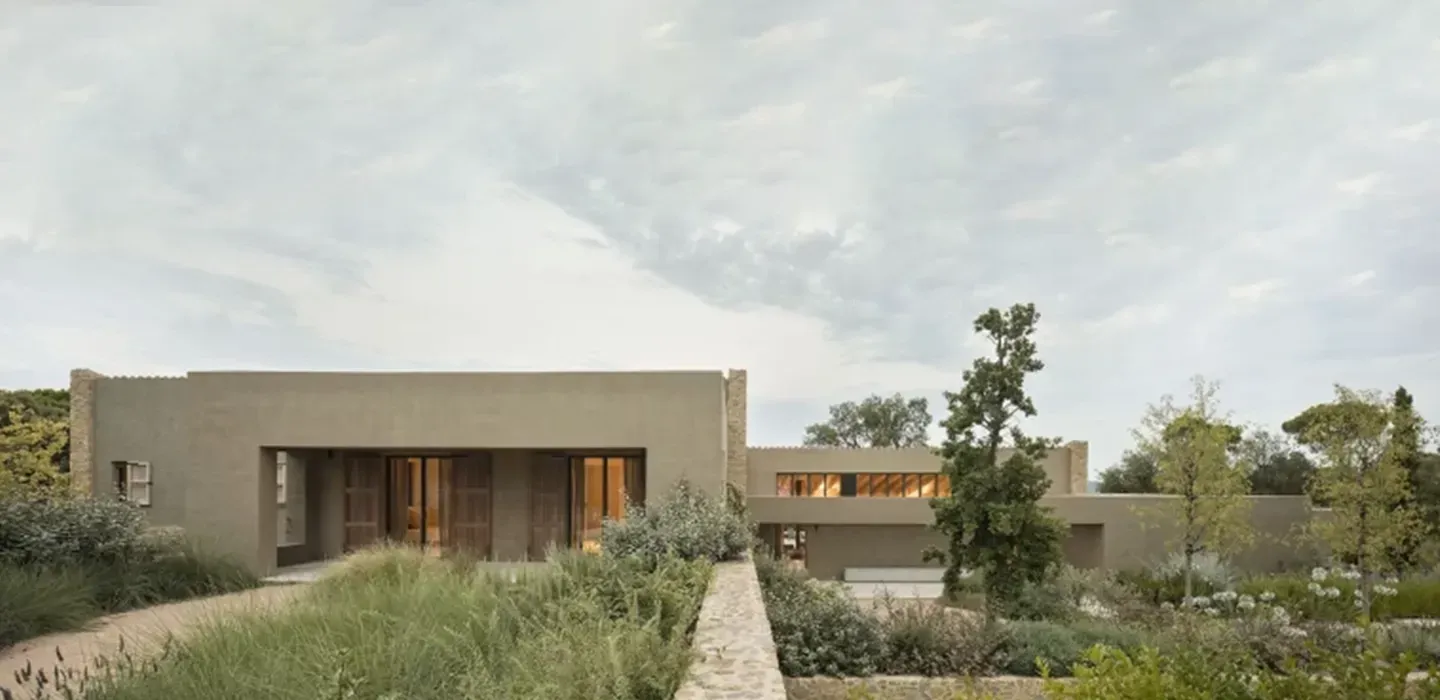



What our clients say
- Topcret helped me doing a repair on my existing floor, and went the distance to get a good result. I would definitely use them againGillian D.★★★★★ (opens in a new tab)
- Jack and the team at Topcret were top-draw. We're beyond pleased with the finished look, but also very impressed with the experience. From our 1st meeting to the aftercare, Topcret were nothing but professional, knowledgable, friendly and flexible. Highly recommend.Sam S.★★★★★ (opens in a new tab)
- Topcret and Juan in particular went above and beyond. Juan worked long days to finish the project as soon as possible, and used his technical knowledge and expertise to problem-solve some of the issues we had with previous tradesmen's mistakes. So happy Topcret could match the paint colour we wanted and that the result is more of an even finish than the typical microcement mix of shades (which they can do as well - we just didn't want that look). Delighted with the result and would definitely use them again. Thank you so much!Isabel D.★★★★★ (opens in a new tab)
- We had our kitchen and bathrooms done in our house in Sydney. The team was very friendly and efficient and the end result was exactly what we wanted. Can’t recommend them enough!Carolina R.★★★★★ (opens in a new tab)
- Topcret’s attention to detail and overall quality of their work is exceptional. I am pleased with the results and would highly recommend Topcret to anyone in need of their services.Rodrigo T.★★★★★ (opens in a new tab)
- Jack has been incredibly helpful in answering all my inquiries since I’ve first visited the showroom. He also made sure that all the technical queries that were put forth from the architects were addressed and proposed solutions to better fit the material. I couldn't be happier, and would recommend 100%.Liza M.★★★★★ (opens in a new tab)
- I recently hired Topcret to finish the renovation on my kitchen and couldn’t be happier with the results. The transformation they've made is just incredible. Provided high quality work with great attention to detail. I would recommend Topcret to anyone looking to make their spaces more attractive!Francesco N.★★★★★ (opens in a new tab)
- Love the product and great customer service. I decided to go for a warm terracotta and Top Cret were very happy to accommodate to develop my own colour.Jacqui P.★★★★★ (opens in a new tab)
- Really happy with the quality of work Topcret have provided for my home. They did 2 Bathrooms, floors and walls which were finished in just 3 days. Jack was extremely helpful throughout the process, answering the many questions I had for him. Great product/ service, I will be recommending to everyone.Tommy J.★★★★★ (opens in a new tab)